Laptops emerged in the 1970s, with commercial portable models appearing by the early 1980s.
I’ve studied computing history and worked with many portable machines over two decades, so I’ll explain when were laptops made, how they grew from clunky portables to sleek notebooks, and why those milestones matter. Read on for a clear, friendly timeline, technical shifts, real-world lessons, and practical tips about choosing and caring for laptops today.
What we mean by "laptop"
A laptop is a portable personal computer with an integrated screen, keyboard, and battery. It is designed for use on the lap or a desk and runs general-purpose software. The term overlaps with "notebook," which usually means a thinner, lighter model.
Why defining this matters
Simple labels hide a long evolution. Asking when were laptops made needs a clear idea of what counts as a laptop versus a portable or a workstation. I use "laptop" to mean battery-powered, clamshell-style, general-purpose portable computers.

Early roots: prototypes and first commercial portables
The story of when were laptops made begins with ideas and prototypes in the 1960s and 1970s. Early work focused on making computers smaller and more mobile.
Key early machines
- 1972–1977: Concepts like the Dynabook and research prototypes pushed the idea of personal, portable computing.
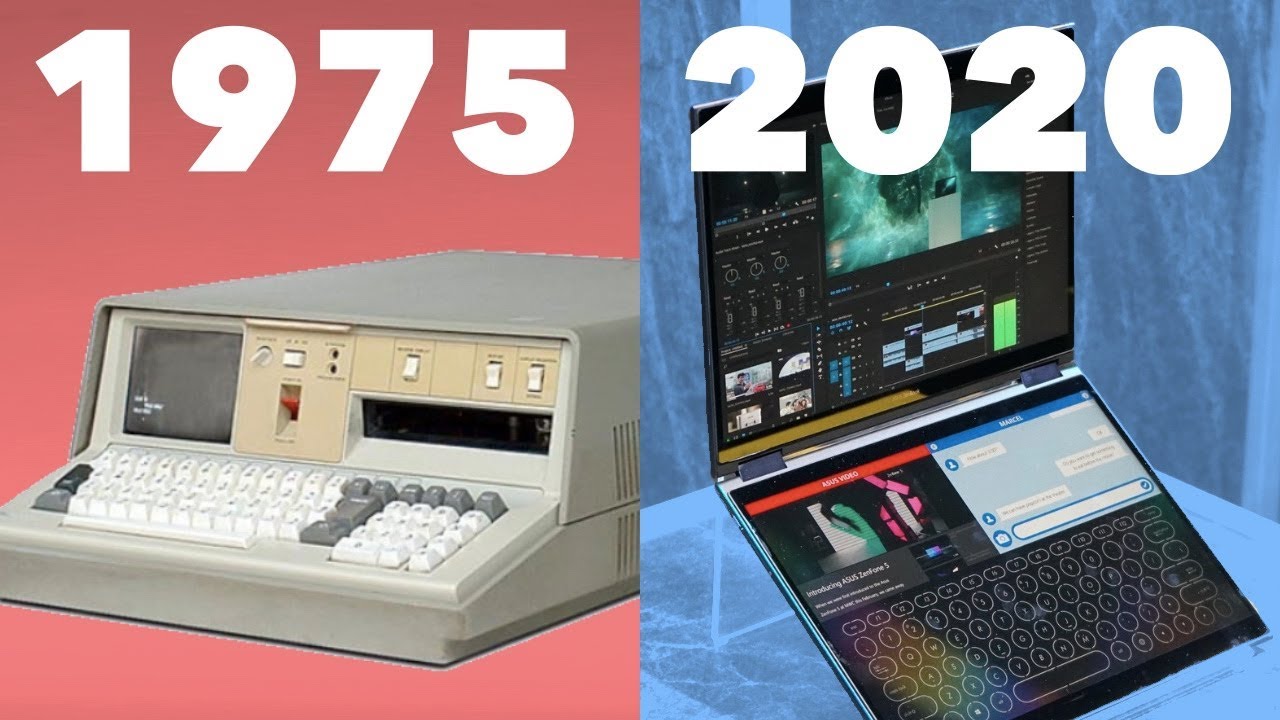
- 1975: IBM 5100 offered a portable form factor, though heavy and aimed at professionals.
- 1981: Osborne 1 is often called the first successful commercial portable computer; it weighed about 24 pounds and had a small screen.
- 1982: Grid Compass introduced the clamshell design that defines modern laptops and was used by field professionals and NASA.
- 1983–1984: Computers like the Compaq Portable and Toshiba T1100 moved the market toward true, battery-powered notebooks.
My experience
I worked with early notebook models in the late 1990s. Even then, design choices traced back to the Grid Compass and Osborne era. That hands-on time taught me how form factors, weight, and battery life shape usability.

Timeline of major milestones in portable computing
A compact timeline helps answer when were laptops made and how they changed.
Brief timeline
- 1968–1972: Early research and ideas for personal portable devices.
- 1975: IBM 5100 — one of the first commercially available portable computers.
- 1981: Osborne 1 — first popular, widely sold portable.
- 1982: Grid Compass — clamshell design, widely credited as first modern laptop shape.
- 1983–1985: Toshiba T1100 and Compaq Portable — early notebook and IBM PC-compatible portables.
- 1990s: Lighter designs, active-matrix displays, and better batteries.
- 2000s onward: Ultrabooks, netbooks, and powerful gaming laptops refined portability and performance.
This timeline answers when were laptops made in steps. It shows a move from bulky portables to the slim laptops we use today.

How laptops evolved: hardware, battery, and form factor
Once we know when were laptops made, we can track their evolution by tech improvements.
Major technical shifts
- Processors became smaller and more energy efficient, allowing longer battery life.
- Displays moved from tiny CRTs to passive-matrix to modern IPS and OLED panels.
- Storage shifted from floppy drives to HDDs, then to SSDs for speed and durability.
- Batteries improved from lead-acid to nickel-based then lithium-ion cells.
- Cooling and thin chassis design enabled powerful CPUs in slim bodies.
Practical example
I once replaced a failing hard drive in a 2005 laptop. Upgrading to an SSD cut boot time from minutes to seconds. This shows how hardware evolution changed daily usability.

Impact on work, education, and everyday life
Understanding when were laptops made helps explain their deep cultural impact.
How laptops changed routines
- Work: Laptops enabled remote work and flexible offices.
- Education: Students accessed resources and wrote papers anywhere.
- Entertainment: Portable gaming and streaming became mainstream.
- Accessibility: Mobile computing opened options for many professionals and creators.
A personal note
I started teaching with desktop PCs. When I switched to laptops, lesson prep became easier and student collaboration improved. That shift mirrors how society adapted as laptops matured.
Common misconceptions about when were laptops made
Several myths obscure the actual history. Clearing them helps you speak and decide with confidence.
Myth vs. fact
- Myth: Laptops were invented in the 2000s. Fact: Ideas and early models date back to the 1970s and early 1980s.
- Myth: Osborne 1 was the first laptop. Fact: Osborne 1 was an early successful portable, but the clamshell Grid Compass shaped modern laptops.
- Myth: A laptop is just a small desktop. Fact: Laptops include design trade-offs for power, heat, and battery life.
Quick questions people ask
When were laptops made for the general public?
General consumer laptops became common in the late 1980s and early 1990s as prices fell and designs slimmed.
What was the first clamshell laptop?
The Grid Compass introduced the clamshell form in 1982, setting the standard for later laptops.
Choosing a laptop today: lessons from history
Knowing when were laptops made helps inform how to choose one now.
Practical buying tips
- Prioritize battery life and SSD storage for speed and longevity.
- Consider repairability and upgrade paths if you want a long-lived machine.
- Match form factor to use: ultraportables for travel, gaming laptops for heavy graphics work.
- Avoid buying purely on brand hype; look at real-world benchmarks and battery tests.
My mistakes and lessons
I once bought a thin laptop with poor cooling. It throttled under load and shortened the CPU lifespan. Now I check cooling design and third-party reviews before buying.
Related concepts and future trends
The question when were laptops made ties into broader ideas about mobile computing.
Related terms to know
- Notebook computer — often interchangeable with laptop, usually lighter.
- 2-in-1 devices — combine laptop and tablet features.
- Ultrabooks — Intel-term for slim, high-performance laptops.
- Edge computing and cloud PCs — shifting some work off-device, affecting laptop design.
Future directions
Expect more battery innovation, thinner cooling solutions, and deeper cloud integration. The story of when were laptops made continues with hybrid devices and AI-assisted computing.
Frequently Asked Questions of when were laptops made
When were laptops made for the first time?
Early portable computers appeared in the 1970s, with models like the IBM 5100. Commercial, widely sold portables like the Osborne 1 arrived in the early 1980s.
Which machine is considered the first laptop?
The Grid Compass (1982) is often cited as the first modern laptop thanks to its clamshell design, though earlier portables existed.
When did laptops become popular for consumers?
Laptops became common in homes and offices in the late 1980s and early 1990s as prices dropped and designs improved.
How did battery technology influence when laptops were made?
Battery advances, especially lithium-ion in the 1990s, made true mobile laptops practical by improving runtime and reducing weight.
Are tablets descendants of laptops or the other way around?
Both evolved from the same mobile computing lineage. Laptops came earlier; tablets and 2-in-1s emerged later as complements and alternatives.
Conclusion
The answer to when were laptops made is layered: concept work began in the 1960s–70s, early commercial portables arrived in the 1970s and early 1980s, and modern laptops evolved through the 1990s to today. Understanding that timeline helps you choose better devices and appreciate design trade-offs.
Takeaway: look beyond marketing. Check real-world battery life, cooling, and upgrade options when you buy. If you enjoyed this history, try testing an older portable in person or share your laptop story below — I’d love to read it.