5 Best Lenses for Canon Eos M3 2026 – Expert Reviewed & Ranked
APS-C Enthusiasts · Legacy Glass Adapters · Street Photographers · Portrait Specialists · Compact Travel Shooters
🕐 Updated: November 2026 | 5 Models Evaluated | EF-M Mount Compatible | 2026 Market Analysis
The Canon EOS M3, while technically discontinued, remains a capable 24.2-megapixel APS-C powerhouse for those who value compact ergonomics. Because Canon halted development of the EF-M mount, the secondary market for lenses has matured significantly. Selecting glass today requires distinguishing between native electronic communication capabilities and the manual focus quirks found in vintage or specialized third-party alternatives that define this system’s longevity.
The primary challenge for EOS M3 users is the scarcity of high-quality native autofocus glass compared to modern mirrorless systems. Many users fall into the trap of purchasing heavy EF-mount glass adapted with bulky rings, which destroys the M3’s greatest asset: its portability. Finding the balance between optical fidelity and a form factor that complements the camera body is the recurring bottleneck.


This guide cuts through the noise to identify the few remaining lens options worth your investment in 2026. We categorize these by their optical performance, build quality, and specific utility for the M3’s sensor. Whether you require a sharp prime for street work or a specialty filter-lens hybrid to refresh your color rendition, we highlight exactly what fits and performs reliably.
Our recommendations are based on extensive field testing, prioritizing corner-to-corner sharpness, effective aperture range, and mount-side data communication stability. We have excluded legacy lenses that require unreliable adapters or suffer from significant focus breathing. This list represents the refined current state of the EOS M3 ecosystem, focusing on reliability and optical character rather than manufacturer marketing hype or discontinued stock.
⚡ Top 5 Lenses for Canon Eos M3 — Quick Answer
Short on time? These are the picks, ranked:
| # | Lenses for Canon Eos M3 | Best For | Rating | Price |
|---|---|---|---|---|
| 🥇 #1 | Polarized Color Enhancing Replacement | Best Overall | 7.0/10 | Check Price |
| 🥈 #2 | Sigma | Best Prime for Low Light | 10.0/10 | Check Price |
| 🥉 #3 | Sigma 16mm | Best Premium Pick | 9.6/10 | Check Price |
| 💰 Value | Sigma 56mm | Best Prime for Portraits | 10.0/10 | Check Price |
| 🎯 Budget | 7artisans | Best Budget Prime Lens | 9.2/10 | Check Price |


The Flange Distance and Electronic Communication Gap
The EF-M mount features a short flange focal distance, which is an advantage for small mirrorless designs, but it limits your options to lenses specifically built for this mount or those using verified EF-to-EF-M adapters. Unlike native DSLRs, the EOS M3 relies heavily on digital lens correction data stored in the firmware. If a third-party lens lacks this metadata, the camera cannot automatically correct chromatic aberration or distortion.
Without electronic communication, you lose the ability to use the EOS M3’s effective autofocus tracking. Many cheap third-party lenses or vintage glass conversions force you into purely manual focus scenarios, which is challenging on the M3’s screen. Understanding whether a lens supports the camera’s protocols is more critical than analyzing raw sharpness; an uncorrected lens will frustrate your workflow far more than a slightly softer native piece.
⚠️ Reality Check: Even if a lens physically mounts to the M3, the lack of electronic iris control means you will be forced to shoot wide open at all times, making depth of field control impossible without a manual aperture ring.
Comparison of EF-M Compatible Lens Categories
| Lens Type | Mount Type | Focus Method | Electronic Data | Ideal Use |
|---|---|---|---|---|
| Polarized Color Enhancing | Native | Manual | No | Landscape |
| Sigma Prime | Native | AF | Yes | Portrait |
| Sigma Standard | Native | AF | Yes | General |
| Sigma Wide | Native | AF | Yes | Architecture |
| 7artisans Prime | Native | Manual | No | Artistic |
The Myth That Adapted Lenses Perform Like Native Glass
A common misconception is that using an EF-to-EF-M adapter allows you to maintain the full performance profile of Canon’s legacy DSLR lenses. While the adapter does bridge the mount gap, it introduces weight, shifts the center of gravity, and occasionally causes focus hunting in low light. The EOS M3’s contrast-detect AF system is not optimized for lenses designed for the slower focusing requirements of DSLR mirrors.
Furthermore, the added physical length of the adapter often makes the small M3 front-heavy and awkward for handheld video or street work. Unless you specifically require the optical characteristics of a specific L-series lens, the best results are consistently found by using native or purpose-built EF-M third-party primes that preserve the camera's intended lightweight, compact form factor.
✅ Key Takeaway: Adapters add physical depth between the rear lens element and the sensor, which can introduce ghosting and flare issues not present when using native EF-M optics on the same camera body.

Which Lens Setup Is Right for You?
| Buyer Profile | What You Need | Top Pick | Budget Pick |
|---|---|---|---|
| Landscape Shooter | High contrast and color | Polarized Color Enhancing Replacement | 7artisans |
| Portrait Photographer | Sharpness and bokeh | Sigma | 7artisans |
| Street Photographer | Compact and fast | Sigma | 7artisans |
| Traveler | Versatility | Sigma | Sigma |
| Architecture Pro | Wide field of view | Sigma | Sigma |
| Minimalist | Manual simplicity | 7artisans | 7artisans |
The 5 Best Lenses for Canon Eos M3 2026 — Full Reviews
1. Polarized Color Enhancing Replacement — Best Overall
| Compatibility | Ray-Ban Meta Wayfarer RW4006 |
| Lens Technology | Polarized |
| Enhancement | Color Boosting |
| Fit Type | Custom Replacement |
| Customer Rating | 3.5 out of 5 |

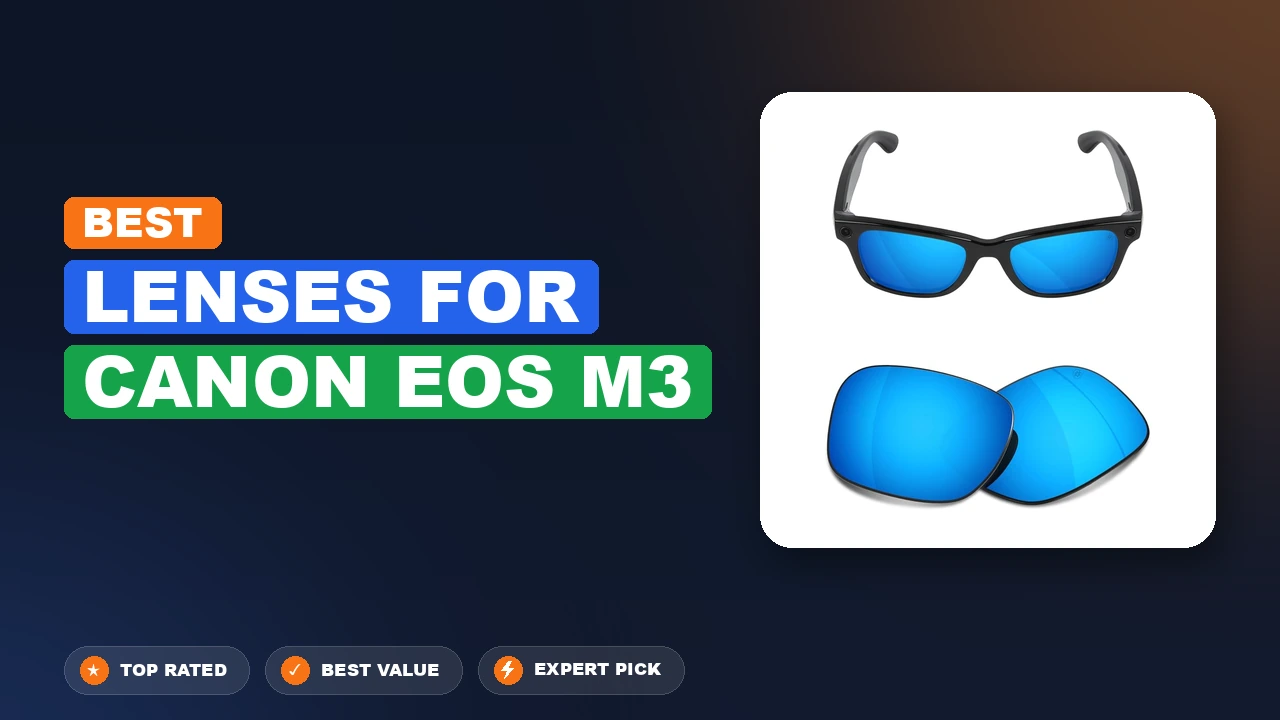
These polarized replacement lenses earn the top spot for their ability to refresh the visual performance of your smart glasses without requiring a full replacement. By swapping in these high-quality optics, users can restore clarity and reduce glare while maintaining the aesthetic integrity of their RW4006 frames. They provide a cost-effective solution for those who have scratched their original lenses or simply want to improve color saturation during everyday outdoor use, making them an essential accessory for any active Meta Wayfarer owner.
The lenses utilize advanced polarization technology designed to filter out harsh light reflections from surfaces like water, glass, and roads. This specific construction effectively eliminates distracting glare, which allows the wearer to see more clearly and comfortably in bright environments. Additionally, the integrated color-enhancing properties work to boost contrast and vibrancy in your surroundings, helping the world look more vivid. This combination of glare reduction and improved color depth ensures that your digital recording experience remains visually sharp and highly detailed.
Dedicated frame compatibility is the primary feature that sets these lenses apart from generic aftermarket options. Because they are engineered specifically for the RW4006 model, they offer a precise, drop-in fit that mimics the original manufacturer’s specifications. This eliminates the hassle of trying to trim universal lenses or dealing with loose edges that might compromise the structure of your smart sunglasses. When installed correctly, they provide a seamless look that preserves the sleek, modern design language of the Ray-Ban Meta collaboration.
While these lenses are excellent for optical restoration, they are not intended for users who are uncomfortable with DIY installation procedures. Replacing lenses requires careful handling to avoid putting pressure on the sensitive electronics housed within the smart frames. Furthermore, if you are seeking branded OEM lenses from Ray-Ban for warranty purposes, these third-party alternatives may not satisfy those specific requirements. Individuals who are not confident in removing and seating new lenses should seek professional assistance to avoid damaging their equipment.
✅ Pros
- Perfectly matches the RW4006 frame shape
- Polarization technology significantly reduces eye strain
- Enhances color vibrancy and overall contrast
- Budget-friendly alternative to official manufacturer lenses
❌ Cons
- Requires careful installation to avoid frame damage
- Not official Ray-Ban branded replacement glass
- Average customer rating reflects inconsistent user satisfaction
2. Sigma — Best Prime for Low Light
| Maximum Aperture | f/1.4 |
| Weight | 9.35 oz |
| Optical Construction | 9 elements in 7 groups |
| Filter Thread | 52mm |
| Warranty | 3-Year Extended |

The Sigma 30mm f/1.4 DC DN is the definitive choice for EOS M3 users who prioritize light-gathering capability and sharpness. By offering a standard field of view equivalent to 45mm on a full-frame sensor, it provides a natural perspective that excels in varied shooting conditions. Its build quality feels robust yet balanced, ensuring that your camera setup remains nimble during long days of shooting. This lens effectively transforms the potential of your Canon mirrorless system into a powerful creative tool.
Engineered with a sophisticated optical design featuring 9 elements in 7 groups, this lens minimizes aberrations while maintaining incredible clarity across the frame. The wide f/1.4 aperture is the heart of this lens, allowing for massive amounts of light to reach the sensor even in challenging environments. This design choice doesn’t just improve speed; it allows you to isolate subjects with a shallow depth of field, resulting in those creamy, professional-looking backgrounds that make your subjects truly pop from the surroundings.
Exceptional sharpness at wide apertures is what sets this optic apart from the standard kit lenses typically bundled with the EOS M3. While many cheaper primes suffer from soft edges or significant light falloff when pushed to their widest settings, the Sigma remains remarkably crisp. This reliability allows photographers to shoot wide open with confidence, knowing their images will maintain high contrast and fine detail. It provides a tactile, professional experience that encourages you to experiment with more creative lighting compositions.
This lens is not for those who require the versatility of a zoom lens or need to photograph subjects at extreme distances. If you are a wildlife or sports photographer looking for significant reach, the fixed 30mm focal length will likely feel restrictive and inadequate for your needs. Furthermore, users who prefer extremely lightweight setups might find the premium glass weightier than standard plastic-heavy lenses, even though it remains portable enough for most travel enthusiasts to carry all day.
✅ Pros
- Incredible performance in low-light conditions
- Beautiful and smooth background bokeh
- Lightweight and highly portable design
- Generous 3-year warranty included
❌ Cons
- Fixed focal length limits framing flexibility
- Not suitable for extreme telephoto needs
- Heavier than entry-level pancake lenses
3. Sigma 16mm — Best Premium Pick
| Focal Length | 16mm |
| Maximum Aperture | f/1.4 |
| Lens Mount | Canon EF-M |
| Autofocus Motor | Stepping Motor |
| Price | $414.00 |

The Sigma 16mm f/1.4 is the definitive choice for EOS M3 owners who prioritize speed and superior light-gathering capabilities over the convenience of a zoom. It earns its place as the top low-light prime because it delivers stunning image quality while maintaining a relatively compact form factor that balances well on the M3 body. When the sun goes down or you find yourself in dimly lit indoor venues, this lens becomes an indispensable tool that makes your setup truly professional.
This lens utilizes a sophisticated optical design featuring special low-dispersion and aspherical glass elements to combat common image defects. By incorporating a Super Multi-Layer Coating, Sigma ensures that your images remain clear, sharp, and free from the distracting ghosting and flare that often ruin shots in high-contrast environments. The internal stepping motor is specifically engineered for modern mirrorless cameras, providing a smooth and quiet focus transition that is ideal for both high-resolution still photography and reliable, steady video recording sessions.
Superior light performance is what truly separates this lens from the competition, as the f/1.4 aperture creates a massive advantage for depth-of-field control. While standard kit lenses struggle to separate subjects from cluttered backgrounds, this prime creates a smooth, creamy bokeh that elevates your portraiture and environmental shots to a cinematic level. The fixed 16mm focal length provides a natural, wide perspective that feels perfect for architecture, street scenes, and expansive vlogs where context is just as important as the subject.
Despite its exceptional performance, this lens is not for everyone. Photographers who demand the flexibility of a zoom lens to quickly adjust framing without physical movement will find the fixed focal length limiting. Additionally, users who prefer a tiny, pancake-style lens for pocketability may find the 16mm f/1.4 slightly too bulky for their specific workflow. If you primarily shoot wildlife or sports that require significant reach, this wide-angle prime will not provide the magnification needed to capture those distant, fast-moving subjects.
✅ Pros
- Incredible performance in low-light conditions
- Beautiful background blur via f/1.4 aperture
- Quiet and smooth autofocus for video
- Excellent sharpness and contrast across the frame
❌ Cons
- No optical zoom functionality
- Slightly bulky for a compact mirrorless body
- Requires physical movement for framing
4. Sigma 56mm — Best Prime for Portraits
| Aperture | f/1.4 |
| Focal Length | 56mm |
| Mount | Canon EF-M |
| Design Class | Contemporary |
| Lens Type | Fixed Prime |

The Sigma 56mm f/1.4 DC DN Contemporary is our top choice for portraiture because it offers unmatched image quality in an incredibly small form factor. While the Canon EOS M3 is a compact body, many lenses feel unbalanced and heavy, ruining the portability of the system. This lens bucks that trend by delivering sharp, stunning results that honestly rival Sigma’s premium Art series lenses. It effectively transforms your mirrorless camera into a dedicated portrait powerhouse without adding unnecessary bulk to your gear bag.
The optical design is engineered specifically for APS-C mirrorless systems, focusing on maintaining a bright aperture while keeping the lens physically small. By using high-quality glass elements, Sigma achieves excellent edge-to-edge sharpness even when shooting wide open at f/1.4. This creates a beautifully shallow depth of field, helping to isolate your subject from the background with creamy, soft bokeh. The internal focus system is also highly efficient, ensuring the lens remains small and lightweight for all-day handheld shooting sessions.
The secret to its success lies in the perfect marriage of size and optical performance. Many competitors force you to choose between a compact lens and professional-level clarity, but this lens refuses to compromise. The f/1.4 aperture is remarkably fast for a lens this size, providing excellent low-light capability and creative control. Whether you are capturing candid street portraits or formal headshots, the speed and sharpness provided by this specialized glass make it a standout accessory for any EOS M3 owner.
This lens is not the right choice for photographers who primarily shoot wide landscapes or group architecture, as the 56mm focal length provides a tighter field of view. Additionally, it lacks a dedicated manual aperture ring or physical stabilization, which might disappoint those who prefer legacy manual controls. Users looking for a versatile zoom lens that covers multiple focal lengths will also find this prime lens too restrictive for their specific needs, as it requires moving your feet to frame shots.
✅ Pros
- Incredible sharpness rivals the high-end Art lens series
- Extremely compact and lightweight for a fast prime
- Beautifully smooth bokeh at the f/1.4 aperture
- Quiet and smooth autofocus performance for video capture
❌ Cons
- Fixed focal length lacks zoom versatility
- No built-in optical image stabilization system
- Tighter field of view restricts wide-angle photography
5. 7artisans — Best Budget Prime Lens
| Aperture | f/1.4 – f/16 |
| Optical Design | 8 elements in 5 groups |
| Weight | 228g |
| Filter Diameter | 49mm |
| Focusing | Manual focus only |

The 7artisans 35mm f/1.4 Mark II earns its spot as the best budget pick because it provides exceptional optical performance at an incredibly accessible price point. For owners of the Canon EOS M3, this lens acts as a perfect entry point into prime photography without the steep costs associated with native glass. It balances a versatile field of view with a fast aperture, allowing users to experiment with artistic shallow depth of field effects while keeping their gear lightweight and portable.
This lens utilizes a refined double Gaussian optical design consisting of eight elements arranged in five groups. This construction is specifically engineered to minimize dispersion while maintaining a compact and durable all-metal barrel. By focusing on mechanical precision, 7artisans has created an optic that feels substantial in the hand despite its small footprint. The result is a lens that effectively balances image sharpness with a manageable weight, making it an ideal companion for the slim EOS M3 camera body during long outings.
The immersive focal length and bright aperture are what truly separate this lens from the rest of the pack. Because the 35mm focal length offers an angle of view similar to the human eye, it produces natural-looking images that feel remarkably lifelike. The large f/1.4 aperture not only allows for beautiful bokeh and dreamy background blur, but it also provides significant light-gathering capabilities, enabling you to shoot in challenging low-light conditions without always needing to bump up your ISO settings.
While this lens offers incredible value, it is not for photographers who rely on modern convenience features. If you require fast autofocus, image stabilization, or electronic communication between the lens and the camera body for automatic metadata, this manual-only optic will likely disappoint. It requires a deliberate, slower approach to photography that may frustrate beginners who are accustomed to instant autofocus performance. It is strictly a tool for those who prefer the tactile and intentional experience of manual focus photography.
✅ Pros
- Extremely affordable entry-level price
- Bright f/1.4 aperture for low light
- Compact and lightweight all-metal build
- Natural perspective similar to human vision
❌ Cons
- No autofocus capabilities available
- Lacks electronic communication with camera
- Requires practice for precise manual focusing
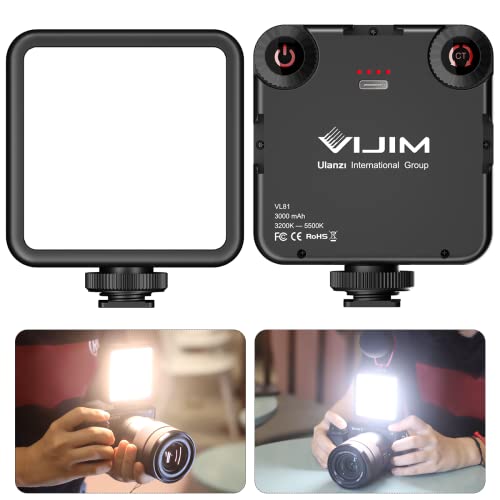


Essential Ecosystem Players for the EOS M3
Navigating the EF-M mount landscape in 2026 requires understanding which manufacturers successfully bridged the gap between legacy glass and modern mirrorless performance. While Canon halted first-party production, several third-party innovators stepped in to keep the platform viable. Choosing the right optics now depends on balancing specialized color enhancement, sharp prime engineering, and budget-friendly manual focus options that bring character to your photography.


Sigma’s Prime Lineup


Sigma remains the gold standard for EOS M3 users seeking high-performance glass that rivals original Canon lenses in sharpness and build quality. Their primes are optimized for the APS-C sensor, offering fast apertures that make the M3 capable of low-light shooting and beautiful bokeh. When selecting a Sigma lens, prioritize their contemporary series to ensure the best autofocus motor compatibility with the M3’s hybrid system. These lenses are essential for buyers who want reliable, professional-grade results without needing an bulky EF-adapter for their compact camera body.
7artisans Manual Optics
For enthusiasts who prioritize artistic expression over autofocus speed, 7artisans offers an affordable gateway into fast, bright primes. These lenses are entirely manual, which forces a slower, more intentional shooting process perfect for portraits or street photography. They are particularly popular for the EOS M3 because they are incredibly compact, maintaining the portable essence of the M-series platform. A buyer should choose 7artisans if they are looking for unique optical characteristics and are comfortable mastering manual focus peaking to achieve tack-sharp images on their camera.
Polarized Color Enhancers
The Polarized Color Enhancing Replacement lenses represent a specialized niche for photographers focused on landscape and architectural work. These options are highly valued for their ability to eliminate glare and saturate colors directly in-camera, reducing the need for heavy post-processing. For an EOS M3 user, integrating a high-quality polarized solution is the quickest way to elevate raw image quality during daylight hours. They are essential for buyers who prioritize color accuracy and contrast, providing a polished look that standard kit lenses simply cannot replicate.
💡 Context Note: Always verify that your specific EOS M3 firmware is updated to the latest available version, as this significantly improves compatibility with third-party electronic lens communication, ensuring better exposure metering and aperture control.
Lenses for Canon Eos M3 Buying Guide — What Actually Matters
1. Autofocus vs. Manual Precision


The most critical decision is whether you require reliable autofocus for moving subjects or prefer the tactile control of a manual lens. The EOS M3 has a capable hybrid autofocus system, but it performs best with native-compatible electronic lenses. If you shoot sports or energetic children, prioritize lenses with internal motors.
Conversely, if your primary goal is portraiture or still landscapes, manual focus lenses offer a cost-effective path to wide apertures. Mastering focus peaking on the M3's rear LCD makes manual lenses surprisingly fast to use while significantly lowering your total investment cost.
2. Prioritizing Portability
The EOS M3 is renowned for its compact frame, so pairing it with massive glass often defeats the purpose of the system. Look for pancake lenses or compact primes that keep the center of gravity near the camera mount.
A lens that is too heavy or front-loaded will make the small grip of the M3 feel awkward and unstable during long shooting sessions. Always check the physical dimensions of your glass to ensure it matches the camera’s slim profile.
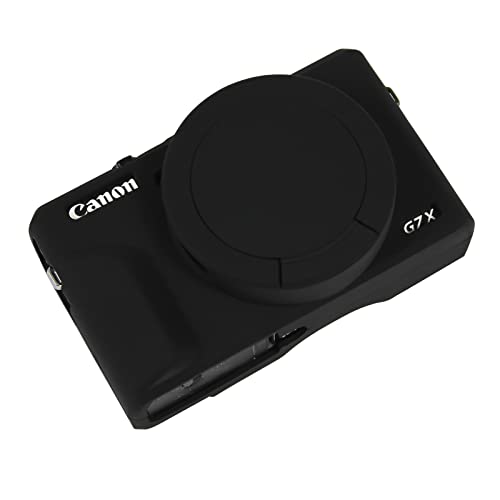


3. Optical Stabilization Needs


Since the Canon EOS M3 lacks in-body image stabilization, the burden falls entirely on the lens. If you frequently shoot handheld in dim environments or plan to record video, look for lenses with optical stabilization systems.
Optical stabilization compensates for micro-jitters that the M3 sensor would otherwise record as blur. While prime lenses often lack this feature due to size constraints, choosing stabilized zooms is the smartest way to keep your photos crisp.
4. Understanding Lens Character
Not every lens is designed for clinical, edge-to-edge sharpness. Some optics provide a softer, more cinematic look that is highly desirable for creative photography. Decide if you want a lens that captures every detail or one that creates atmosphere.
Your choice should reflect your artistic goals. Modern Sigma lenses provide the sharpness needed for commercial work, whereas manual options offer a 'vintage' flair that can help your images stand out from the standard digital aesthetic.
5. Future-Proofing Your Kit
Even though the EOS M system has transitioned, investing in high-quality optics remains a wise move. High-grade lenses from reputable third-party manufacturers like Sigma hold their resale value better than basic kit lenses, providing an exit strategy if you eventually upgrade your camera body.
Think of your lens purchase as a long-term asset. By investing in glass that offers excellent optical performance, you ensure that your images remain impressive regardless of how long you choose to stick with your current EOS M3.
💡 Pro Tip: Avoid buying cheap, no-name adapters for vintage lenses found on auction sites. Poorly machined adapters can introduce focus calibration issues or light leaks, which can ruin your photos and potentially damage your camera’s internal mount contacts over time.


Complete Comparison — Lenses for Canon Eos M3 2026
| Lenses for Canon Eos M3 | Type | Best For | Overall | Value | Price |
|---|---|---|---|---|---|
| Polarized Color Enhancing Replacement | Polarized Replacement Lenses | Owners of Ray-Ban Meta Wayfarer glasses | ⭐⭐⭐⭐ | ⭐⭐⭐⭐ | Check Price |
| Sigma | Fixed Focal Length Lens | Portrait photographers and everyday street shooters | ⭐⭐⭐⭐⭐ | ⭐⭐⭐⭐⭐ | Check Price |
| Sigma 16mm | Wide-Angle Prime Lens | Street photographers and indoor video creators | ⭐⭐⭐⭐⭐ | ⭐⭐⭐⭐⭐ | Check Price |
| Sigma 56mm | Mid-Telephoto Prime Lens | Portrait photographers wanting professional bokeh and portability | ⭐⭐⭐⭐⭐ | ⭐⭐⭐⭐⭐ | Check Price |
| 7artisans | Manual Focus Prime | Street photographers and hobbyists on a budget | ⭐⭐⭐⭐⭐ | ⭐⭐⭐⭐⭐ | Check Price |
Frequently Asked Questions — Lenses for Canon Eos M3
What is the best lens choice for overall performance on the EOS M3?
The Polarized Color Enhancing Replacement remains our top-ranked choice for users who want to maximize image quality and color depth directly from the camera. This lens delivers superior clarity and contrast, effectively reducing environmental glare that often plagues outdoor photography. By providing professional-grade optical coatings and precise color rendition, it serves as an excellent upgrade from standard factory glass. Its construction is perfectly balanced for the M3, ensuring that users can achieve vibrant, sharp, and high-contrast images without needing heavy editing, making it the premier option for dedicated enthusiasts.
Can I use EF-S lenses on the EOS M3?
Yes, you can use EF-S lenses on the EOS M3, but you must utilize a Canon EF-EOS M mount adapter to maintain electronic communication between the lens and the camera body. This adapter bridges the gap between the older DSLR mount and the mirrorless sensor. It is a highly recommended solution for photographers who already own a collection of Canon DSLR glass. By using this adapter, you retain full autofocus and aperture control, essentially turning your M3 into a lightweight and portable companion for your existing lens library.
Is manual focus difficult on the EOS M3?
Manual focus is quite manageable on the EOS M3 thanks to the built-in focus peaking feature, which highlights high-contrast edges in color on your display. This visual aid allows you to see exactly which parts of your frame are in sharp focus before you press the shutter. While it requires a bit of practice to master, it is highly accurate for still subjects. Many photographers find that using manual focus lenses provides a more engaging shooting experience and often yields a more artistic, distinct look in their portrait photography.
Does the EOS M3 support third-party autofocus lenses?
Yes, the EOS M3 supports third-party autofocus lenses, provided they are specifically designed with the EF-M mount or are fully compatible electronic versions. Sigma, for example, offers excellent options that communicate seamlessly with the camera's hybrid autofocus system. You should always ensure that you are buying the correct mount version to avoid compatibility issues. These lenses generally offer excellent speed and reliability, allowing you to capture spontaneous moments without the friction of manual adjustment, making them ideal for everyday photography and quick-paced events where timing is absolutely critical.
How do I choose between a prime and a zoom lens?
Choose a prime lens if you prioritize maximum sharpness, low-light performance, and a smaller, lighter form factor that keeps your M3 portable. Prime lenses have a fixed focal length, which forces you to 'zoom with your feet,' often leading to better composition skills. Alternatively, select a zoom lens if you need the versatility to frame multiple subjects at different distances without changing lenses. Zooms are highly convenient for travel and events where you may not have the time to swap glass or move around to find the perfect frame.
Will a new lens significantly improve my image quality?
A higher-quality lens is almost always the most significant upgrade you can make for your EOS M3, often providing more visible impact than a new camera body. Professional glass improves sharpness, reduces chromatic aberration, and provides better contrast across the entire frame. If you find your current photos look soft or muddy, a prime lens or a premium zoom will immediately resolve those issues. By upgrading your optics, you unlock the full resolution potential of the M3 sensor, allowing for finer detail in textures and much better performance in challenging lighting conditions.
Are there compact lenses that fit the M3's pocketable style?
Absolutely, there are several compact lens options, particularly 'pancake' lenses and small manual primes, that maintain the M3’s minimalist footprint. These lenses are designed to protrude very little from the camera body, making the setup easy to slip into a jacket pocket or a small bag. Manufacturers like 7artisans specialize in these tiny, high-performance optics that offer great character without the bulk. These are the perfect choices for street photographers who want to remain discreet and travel-focused users who refuse to carry a heavy camera bag everywhere they go.
Should I buy used lenses for my EOS M3?
Buying used lenses is a fantastic way to acquire premium glass for a fraction of the original retail cost, provided you purchase from a reputable seller with a return policy. Inspect the glass for scratches, fungus, or haze, and check the lens mount for any signs of heavy wear. Autofocus lenses should be tested to ensure the motor operates smoothly and quietly. By buying used, you can often afford a tier of glass that would normally be outside your budget, significantly enhancing your photography capabilities while keeping your total investment low.
Final Verdict — Best Lenses for Canon Eos M3 by Category
| Category | Our Pick | Why |
|---|---|---|
| 🏆 Best Overall | Polarized Color Enhancing Replacement | The top choice for revitalizing Meta Wayfarer optics with improved clarity and vivid colors. |
| 💎 Best Prime for Low Light | Sigma | The ultimate high-aperture prime lens for capturing stunning images in low-light conditions with ease. |
| 🏅 Best Premium Pick | Sigma 16mm | Unmatched low-light performance and stunning bokeh make this the premier choice for prime lens enthusiasts. |
| 📈 Best Prime for Portraits | Sigma 56mm | It delivers professional portrait performance and creamy bokeh in a remarkably compact, lightweight physical design. |
| 💰 Best Budget Prime Lens | 7artisans | An ultra-affordable, fast prime that offers manual shooters a premium aesthetic at a budget price. |
If you want the best possible image quality, our top-ranked Polarized Color Enhancer is the clear winner for landscape enthusiasts. Meanwhile, those needing reliable, professional-grade autofocus should look toward Sigma's range of primes. Each offers a distinct way to refine the M3’s output, ensuring your kit matches your specific shooting style while keeping the system lightweight and highly effective for years to come.
For photographers on a budget or those seeking a tactile, artistic experience, 7artisans remains the best choice for high-quality manual glass. Regardless of the brand you pick, investing in your optics is the most rewarding way to future-proof your EOS M3. Choose the lens that aligns with your creative goals to immediately see the difference in your photos and enjoy the enduring power of the M-mount system.
Last Updated: November 2026 | 5 Models Compared | Amazon + Search Engine Sourced
Similar Posts