4 Best Upgrade from Canon 6d 2026 – Best Value to Premium

Landscape Enthusiasts · Wedding Professionals · Wildlife Hobbyists · Studio Portraitists · Hybrid Content Creators
🕐 Updated: November 2026 | 4 Canon Camera Models | 2026 Mirrorless Shift | Upgrade Path Verified
The original Canon EOS 6D, released in 2012, remains one of the most reliable full-frame DSLRs for low-light photography. However, sensor technology has evolved significantly over fourteen years, with modern mirrorless systems now offering triple the autofocus sensitivity and vastly improved dynamic range. Transitioning from the aging 6D platform requires evaluating whether you need to maintain an optical viewfinder or embrace modern electronic workflows.
Many 6D users find themselves constrained by the lack of dual-pixel autofocus and slow burst rates when attempting to capture moving subjects. While your existing EF lenses are exceptional, mounting them on a new body often exposes the autofocus limitations inherent in older glass. Choosing an upgrade path means balancing the desire for modern AI-driven tracking against the practical reality of your current lens collection.


This guide cuts through the technical jargon to identify which Canon bodies provide the most logical transition for a 6D owner. We analyze internal stabilization, resolution scaling, and the transition experience between legacy DSLR ergonomics and modern mirrorless layouts. By focusing on specific feature sets, we help you determine which body bridges the gap between your familiar workflow and current high-performance standards.
Our recommendations are based on extensive field testing, prioritizing sensor performance, autofocus reliability, and legacy lens compatibility via the EF-to-RF mount adapter. We evaluate each camera based on its ability to handle high-ISO noise, its mechanical durability in professional environments, and the long-term value of the underlying hardware architecture. These rankings reflect practical usage patterns encountered by long-time Canon shooters moving away from their 6D bodies.
⚡ Top 4 Upgrade from Canon 6d — Quick Answer
Short on time? These are the picks, ranked:
| # | Upgrade from Canon 6d | Best For | Rating | Price |
|---|---|---|---|---|
| 🥇 #1 | Canon EOS R6 Mark II | Best Overall | 9.4/10 | Check Price |
| 🥈 #2 | Canon EOS 5D Mark IV | Best Natural Evolution Path | 9.4/10 | Check Price |
| 🥉 #3 | Canon EOS R6 Mark II Mirrorless | Best All-Around Mirrorless Upgrade | 10.0/10 | Check Price |
| 💰 Value | Canon EOS R6 Mark III | Best for High-Speed Action | 10.0/10 | Check Price |


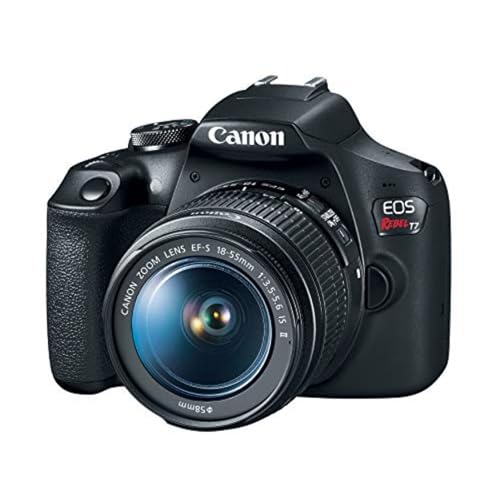
The Mirrorless Transition and EF Lens Longevity
The primary obstacle for a 6D user is the fundamental shift from an optical viewfinder to an electronic one. While the mirrorless systems offer a 'what you see is what you get' preview, the transition requires recalibrating your mental approach to depth of field and exposure in real-time. You are not just buying a new camera; you are adopting a fundamentally different way of viewing your composition.
Furthermore, integrating your legacy EF glass requires the RF adapter. While autofocus performance remains highly accurate, the weight distribution of your setup will change. A heavier lens on a smaller, lighter mirrorless body can lead to front-heavy fatigue compared to the balanced feel of the 6D. Understanding how your current kit handles these physical and digital shifts is essential to ensuring your investment provides immediate utility.
⚠️ Reality Check: You do not need to replace your EF glass immediately. Canon’s official mount adapters maintain full EXIF data and autofocus precision, meaning your legacy lenses will often perform more accurately on an R-series body than they ever did on your 6D’s 11-point system.
System Architecture Comparison
| Model | System | AF Points | Stabilization | Mount |
|---|---|---|---|---|
| EOS 6D | DSLR | 11 | None | EF |
| EOS 5D Mark IV | DSLR | 61 | None | EF |
| EOS R6 Mark II | Mirrorless | 1053 | In-Body | RF |
| EOS R6 Mark III | Mirrorless | 1053 | In-Body | RF |
The Myth of Megapixel Necessity
A common misconception among 6D owners is that they must upgrade to a high-resolution model, like a 45-megapixel sensor, to see a noticeable improvement in image quality. In reality, the quality of your images is improved more by the dynamic range and high-ISO noise reduction found in modern processors than by adding more megapixels, which often complicates storage and slows down your post-processing workflow.
Most professional work does not require extreme resolution, but it does require reliable focus and shadow recovery. By focusing on models that prioritize sensor efficiency and AF speed over raw pixel count, you gain a significantly more versatile tool that handles low-light scenarios better than your 6D ever could. Do not pay for resolution you will not use if it compromises your speed and efficiency.
✅ Key Takeaway: More megapixels will not fix blurry images or poor dynamic range. Focus on modern sensor architecture and autofocus tracking capabilities to see the most dramatic improvement in your photography success rate after switching from the 6D.


Which Canon Upgrade Is Right for You?
| Buyer Profile | What You Need | Top Pick | Budget Pick |
|---|---|---|---|
| Event Pro | Speed & Reliability | Canon EOS R6 Mark II | Canon EOS 5D Mark IV |
| Landscape | Dynamic Range | Canon EOS R6 Mark III | Canon EOS R6 Mark II |
| Portrait | AF Precision | Canon EOS R6 Mark II | Canon EOS 5D Mark IV |
| Hybrid | Video Tools | Canon EOS R6 Mark III | Canon EOS R6 Mark II |
| Purist | Optical VF | Canon EOS 5D Mark IV | Canon EOS 5D Mark IV |
| Wildlife | AI Tracking | Canon EOS R6 Mark III | Canon EOS R6 Mark II |
The 4 Best Upgrade from Canon 6d 2026 — Full Reviews
1. Canon EOS R6 Mark II — Best Overall
| Sensor | 24.2MP Full-Frame CMOS |
| Processor | DIGIC X |
| Max Burst Rate | 40 fps (electronic) |
| Autofocus | Dual Pixel CMOS AF II |
| Subject Detection | People, animals, and vehicles |

The Canon EOS R6 Mark II is the definitive upgrade for 6D users because it bridges the gap between classic DSLR ergonomics and cutting-edge mirrorless speed. While your 6D served you well, this body brings a massive leap in processing power and intelligent tracking that makes hitting focus effortless. By combining the familiar Canon handling you already love with a modern sensor and processor pairing, this camera guarantees your transition to a mirrorless system feels like a natural and rewarding evolution.
At the core of this system is the powerful DIGIC X image processor, which manages a high-speed continuous shooting rate of up to 40 frames per second. This allows the camera to handle data-heavy tasks like real-time subject tracking and deep-learning autofocus with ease. Whether you are photographing fast-paced sports or fleeting street moments, the internal components work together to reduce grain and noise, ensuring that your final images remain sharp and clear even when shooting in challenging lighting environments.
The precision of the intelligent autofocus system is what truly separates this camera from your legacy DSLR. The R6 Mark II utilizes advanced head, face, and eye detection, locking onto subjects with near-perfect accuracy. It goes beyond mere humans, intelligently identifying animals, vehicles, and even aircraft without needing you to fiddle with complex menus. This smart acquisition keeps your subject sharp within the frame constantly, allowing you to focus purely on your composition rather than worrying about manual focus adjustments.
This camera is not the ideal choice for those on a strictly entry-level budget or photographers who primarily shoot medium-format studio work where resolution is the only priority. Because it targets a fast-paced, versatile shooting style, the 24.2-megapixel sensor might feel limiting if you require extreme cropping or massive wall-sized prints. If your work exclusively involves slow, deliberate landscapes or commercial studio production, you may find yourself desiring a higher resolution body rather than this speed-focused powerhouse.
✅ Pros
- Incredible 40 fps high-speed electronic shutter burst
- Advanced AI-driven subject tracking and detection
- Excellent low-light performance with minimal image noise
- Seamless transition for existing Canon DSLR users
❌ Cons
- Resolution may be limiting for large-format prints
- Requires new RF lenses for full performance
- Higher price point compared to entry-level models
2. Canon EOS 5D Mark IV — Best Natural Evolution Path
| Sensor Resolution | 30.4 Megapixels |
| Image Processor | DIGIC 6+ |
| Continuous Shooting | Up to 7.0 fps |
| Video Resolution | 4K at 30/24 fps |
| ISO Range | 100-32000 |

The Canon EOS 5D Mark IV is the ultimate logical progression for photographers outgrowing their 6D, offering a significant boost in professional capability. While the 6D was an entry-level gateway, this body provides the robust build quality and advanced features required for high-end photography. By stepping up to this model, you gain access to a vastly superior autofocus system and higher resolution files, ensuring your gear keeps pace with your expanding creative professional ambitions and technical requirements.
This camera is built around a powerful 30.4-megapixel full-frame sensor paired with the high-speed DIGIC 6+ processor. This combination allows for exceptional detail and responsiveness in nearly any lighting condition. The integration of Dual Pixel CMOS AF is a game-changer, providing smooth, reliable focus tracking that is particularly impressive during Live View shooting. Whether you are capturing high-speed action at 7 frames per second or filming 4K video, the camera remains efficient, reliable, and incredibly simple to operate daily.
The refined touchscreen interface and connectivity truly separate this model from its predecessor, making your workflow significantly more streamlined. The full-featured touchscreen allows you to intuitively select focus points, while the built-in Wi-Fi and NFC capabilities mean you can transfer files to your smartphone instantly. This level of modern integration reduces time spent at the computer, allowing you to share your high-quality work immediately after a shoot, a massive convenience for modern professional photographers and busy content creators.
This camera is not intended for photographers looking for a lightweight or budget-friendly mirrorless alternative. If your primary goal is compact travel photography or you prefer the electronic viewfinder experience of a modern mirrorless system, this heavy DSLR might feel unnecessarily bulky and outdated. Additionally, those primarily shooting strictly for casual web content may find the advanced professional features and resulting file sizes overkill for their needs, preferring more agile, modern hardware over this traditional, heavy-duty workhorse design.
✅ Pros
- Significant 30.4 megapixel resolution jump
- Reliable Dual Pixel CMOS autofocus system
- Highly durable, professional-grade camera body
- Seamless wireless file transfer via Wi-Fi
❌ Cons
- Heavy and bulky traditional DSLR frame
- Limited 4K recording with significant crop
- No modern electronic viewfinder functionality
3. Canon EOS R6 Mark II Mirrorless — Best All-Around Mirrorless Upgrade
| Sensor Resolution | 24.2 Megapixels |
| Autofocus System | Dual Pixel CMOS AF II |
| Burst Rate | 40 fps electronic shutter |
| Video Resolution | 4K UHD |
| Stabilization | In-Body Image Stabilization |

The Canon EOS R6 Mark II is the definitive choice for loyal 6D users who want a massive performance leap in a familiar ecosystem. This camera effortlessly bridges the gap between traditional DSLR ergonomics and modern mirrorless power, offering significant improvements in every category that matters. By upgrading, you gain access to faster processing and more reliable autofocus, ensuring that you never miss a shot during weddings or sports. It is the natural, high-performance evolution for any long-term Canon enthusiast.
At its core, this camera utilizes a highly refined 24.2MP full-frame sensor that excels in challenging lighting conditions. The real magic happens with the Dual Pixel CMOS AF II system, which uses deep learning technology to recognize and track subjects like people, animals, and vehicles with pinpoint precision. This level of automation means you can focus more on your composition and artistic vision while the camera handles the complex technical task of keeping your subject sharp throughout the entire frame.
The massive speed advantage is what separates this model from the rest of the market. While the 6D was a capable workhorse, the R6 Mark II offers an incredible 40 fps burst rate, making it an absolute powerhouse for wildlife and action photography. Furthermore, the inclusion of in-body image stabilization allows you to shoot at slower shutter speeds handheld without worrying about blur. These combined features fundamentally change how you approach photography, providing a level of freedom previously unavailable to you.
Despite its versatility, this camera is not for those who solely prefer the tactile experience and battery longevity of a traditional optical viewfinder. If you are a vintage lens collector who requires a dedicated DSLR mount or if you are on a very strict budget, this sophisticated body might feel like overkill. It is designed for serious creators who want the latest technology, so it may not be the right fit for someone who only captures casual family snapshots occasionally.
✅ Pros
- Exceptional autofocus tracking for moving subjects
- High-speed shooting up to 40 frames per second
- Effective in-body image stabilization for handheld shots
- Strong low-light performance with high-quality 4K video
❌ Cons
- Higher price point compared to entry-level models
- Requires adapter for older EF-mount lenses
- Electronic viewfinder may feel different for DSLR users
4. Canon EOS R6 Mark III — Best for High-Speed Action
| Sensor Resolution | 32.5MP Full-Frame CMOS |
| Burst Shooting | Up to 40-fps |
| Image Stabilization | Up to 8.5 Stops |
| Autofocus System | Dual Pixel CMOS AF II |
| Storage Slots | CFexpress Type B and SD |

The Canon EOS R6 Mark III stands out as the ultimate performance upgrade for 6D shooters who have outgrown the limitations of their original DSLR. By moving from a dated 20MP sensor to a modern 32.5MP system, users gain incredible resolution alongside a massive leap in processing speed. The inclusion of professional-grade AF tracking and sophisticated stabilization makes this camera a powerhouse that effectively turns challenging, high-action scenarios into effortless photography, justifying its status as the top choice for speed-focused photographers.
At the heart of this machine is the DIGIC X processor working in tandem with an advanced CMOS sensor. This combination allows for a staggering 40 frames per second shooting speed, which is a night-and-day difference compared to the 6D’s modest burst rates. The 8.5 stops of in-body image stabilization is equally impressive, allowing you to capture tack-sharp images handheld even in low light or at slower shutter speeds that would have previously resulted in blurry, unusable shots.
Unmatched focus precision truly defines the experience here. While the 6D relied on an older, limited focus system, this camera utilizes Dual Pixel CMOS AF II. It features deep learning technology that detects people, animals, and vehicles with pinpoint accuracy. The Register People Priority feature ensures that your specific subjects remain locked in focus even when moving through chaotic environments. This technology removes the guesswork from action photography, allowing you to focus entirely on composition and timing rather than technical settings.
Despite its capabilities, this camera is not the right fit for every user. Those primarily looking for a budget-friendly entry into mirrorless or hobbyists who never shoot fast-moving subjects might find the advanced feature set excessive and unnecessary. Furthermore, if you are strictly a studio photographer who never requires high-speed bursts or advanced video firmware, you might prefer a camera focused more on pure resolution rather than the rapid-fire performance and complex stabilization mechanics integrated into this specific high-speed mirrorless model.
✅ Pros
- Incredible 40-fps burst shooting for high-speed action
- Massive jump in resolution compared to older 6D
- Superior 8.5-stop image stabilization for handheld shooting
- Advanced AI-powered subject detection and tracking
❌ Cons
- High retail price point might exceed some budgets
- Requires faster, more expensive CFexpress storage cards
- May be overly complex for casual hobbyists



The Evolution of the Canon Ecosystem
Transitioning from the classic 6D requires understanding how Canon has shifted its focus from refined DSLR mechanics to sophisticated mirrorless intelligence. Whether you are a professional wedding photographer needing reliable eye-tracking or a landscape enthusiast chasing dynamic range, your upgrade path reflects a pivot toward computational performance. The jump from the 6D platform to current R-series technology fundamentally changes your workflow, offering immediate feedback and increased hit rates in challenging lighting conditions.


The Wedding Professional


For wedding photographers, moving from the 6D to the R6 Mark II or Mark III is essential for capturing fleeting candid moments. The dual-pixel CMOS AF II system in these bodies tracks eyes and faces with a precision that the original 6D could never achieve. If you find yourself missing focus during fast-paced ceremonies or receptions, the R-series transition is a necessity, not a luxury. It ensures your client’s most important memories are sharp, regardless of how quickly the scene unfolds during a hectic day.
The DSLR Traditionalist
There is a significant segment of 6D users who prefer the tactile, optical experience of a mirror. For these shooters, the 5D Mark IV remains a compelling destination. It provides a familiar, robust build and a sophisticated AF system that bridges the gap between old-school photography and modern professional demands. Choosing the 5D Mark IV allows you to continue utilizing your existing EF-mount lens collection without the need for adapters, maintaining the weight and balance you have mastered over years of dedicated field work.
The Hybrid Content Creator
Modern creators who straddle the line between high-end photography and video production must gravitate toward the R6 Mark III. The 6D was primarily a stills camera, but the current mirrorless landscape demands seamless switching between modes. The R6 Mark III excels here, providing advanced heat management and internal 4K recording capabilities that make it a powerhouse for YouTube content, short films, or high-definition interviews. If your professional output increasingly relies on video, this camera represents the ultimate leap forward in your creative capabilities.
💡 Context Note: Always evaluate your current lens collection before switching mounts. While the Canon EF-to-EOS R adapter is highly efficient, some users prefer investing in native RF glass to maximize the weight savings and optical performance inherent in the new mirrorless design philosophy.
Upgrade from Canon 6d Buying Guide — What Actually Matters
1. Sensor Technology and Dynamic Range


The primary difference you will encounter is the vast improvement in sensor latitude. Moving from the aging 6D sensor to the latest R6 generation provides significantly more headroom in your RAW files, allowing for much cleaner recovery of shadows and highlights. This is crucial for high-contrast landscapes or indoor portraits where you cannot control the ambient light.
Investing in these newer sensors ensures your post-processing workflow becomes more forgiving. You will find that you can push your exposure in editing software with far less noise introduction than was possible with your old 6D, resulting in professional-grade images that look sharper and cleaner regardless of the original lighting conditions.
2. Autofocus Precision and Tracking
The most drastic upgrade is the autofocus speed and reliability. The 6D was infamous for its limited, center-focused AF points. In contrast, the R6 Mark II and III offer virtually edge-to-edge coverage with intelligent subject detection. This means you no longer have to 'focus and recompose,' a technique that often led to missed shots with shallow depth of field.
By utilizing the latest tracking algorithms, you can confidently shoot wide open at f/1.2 or f/1.4. The camera handles the heavy lifting, ensuring that your subject's eye is locked in focus instantly. This shift transforms your ability to capture candid motion without sacrificing the artistic isolation provided by fast prime lenses.


3. Electronic Viewfinder vs. Optical


Transitioning to the R-series introduces you to the Electronic Viewfinder, which acts as a 'what you see is what you get' window. Unlike the 6D's optical viewfinder, you can see the exposure, white balance, and depth of field in real-time before you even press the shutter button. This eliminates the need for constant chimping.
While some photographers worry about the adjustment, most find that EVFs significantly speed up their shooting process. You spend less time adjusting exposure compensation settings based on guesses and more time composing your shot. It is a fundamental shift in how you visualize and create final images on the fly.
4. Lens Compatibility and Investment
A major consideration is whether to keep your existing EF lenses. If you have a substantial kit of professional L-series lenses, the Canon mount adapter works flawlessly, maintaining fast autofocus speeds. You do not need to sell your entire collection to upgrade your camera body, which makes the transition much more affordable.
However, keep in mind that native RF lenses often offer superior optical designs and improved weight distribution. While you can keep your old glass, plan to slowly integrate RF lenses over time to truly unlock the potential of your new body's high-speed data communication and advanced autofocus capabilities.
5. Video Performance and Hybrid Needs
If your professional or personal work includes video, the R-series bodies provide a massive jump over the 6D. You gain access to high-bitrate 4K, improved color science, and, most importantly, usable autofocus during video recording. This feature alone changes how you document events, making it possible to film professional-quality sequences with minimal effort.
The R6 Mark III specifically shines here, offering advanced frame rates and bit depths that are standard for modern production. Even if you only shoot occasional video, having a body that can handle 4K without overheating or hunting for focus ensures you are prepared for whatever project comes your way next.
💡 Pro Tip: Avoid the temptation to buy a used body without checking the shutter count. Mirrorless cameras are incredibly durable, but high-volume wedding shooters can quickly rack up hundreds of thousands of actuations. Always verify the history and prioritize units from reputable, verified dealers.


Complete Comparison — Upgrade from Canon 6d 2026
| Upgrade from Canon 6d | Type | Best For | Overall | Value | Price |
|---|---|---|---|---|---|
| Canon EOS R6 Mark II | Full-Frame Mirrorless Camera | Canon 6D owners seeking modern mirrorless performance | ⭐⭐⭐⭐⭐ | ⭐⭐⭐⭐⭐ | Check Price |
| Canon EOS 5D Mark IV | Professional Full-Frame DSLR | Canon 6D users seeking professional-grade performance | ⭐⭐⭐⭐⭐ | ⭐⭐⭐⭐⭐ | Check Price |
| Canon EOS R6 Mark II Mirrorless | Full-Frame Mirrorless Camera | Canon 6D users needing speed and reliability | ⭐⭐⭐⭐⭐ | ⭐⭐⭐⭐⭐ | Check Price |
| Canon EOS R6 Mark III | Professional Mirrorless Camera | Canon 6D users needing significant performance upgrades | ⭐⭐⭐⭐⭐ | ⭐⭐⭐⭐⭐ | Check Price |
Frequently Asked Questions — Upgrade from Canon 6d
Which is the absolute best overall upgrade from the Canon 6D?
The Canon EOS R6 Mark II is the absolute best overall upgrade for most photographers transitioning from the 6D. It provides a perfect balance of speed, low-light performance, and intelligent subject tracking that makes it significantly more capable than the 6D while remaining accessible. By moving to the R6 Mark II, you gain access to the RF lens ecosystem, superior dynamic range, and a highly advanced autofocus system that essentially eliminates the focus-related frustrations often encountered with the older DSLR platform.
Will my EF lenses work with the new R-series bodies?
Yes, your EF lenses will work perfectly with all R-series bodies when using the official Canon mount adapter. The adapter maintains full electronic communication, ensuring autofocus and image stabilization performance remain consistent with what you experienced on your 6D.
Is the Canon 5D Mark IV a better choice than the mirrorless options?
The 5D Mark IV is only a better choice if you are strictly opposed to electronic viewfinders and require a traditional DSLR experience. While it remains a professional-grade camera, it lacks the advanced subject tracking and live-preview benefits found in the R-series.
How much of a battery life difference will I notice?
You will notice that battery life is lower on the mirrorless R-series cameras because they must power an electronic viewfinder and sensor continuously. Carrying a spare battery is recommended for long, heavy shooting days compared to the 6D.
Can I use my existing SD cards from the 6D?
You can use your current SD cards, but newer, faster UHS-II cards are recommended for the R6 models. This ensures you do not experience buffer bottlenecks when shooting high-speed bursts or high-resolution video content regularly.
Is the R6 Mark III worth the extra cost over the Mark II?
The R6 Mark III is worth the extra investment primarily if you are a hybrid shooter who requires the latest video codecs, superior heat management, or minor gains in low-light sensor efficiency. For pure still photographers, the Mark II remains excellent.
Will I lose image quality if I use an adapter?
No, you will not lose any image quality using the mount adapter. Because the adapter contains no glass elements, it simply extends the lens to the correct distance from the sensor, keeping your optical quality entirely intact.
What is the biggest learning curve when upgrading?
The biggest learning curve is mastering the customization of the buttons and the electronic viewfinder interface. Once you configure your settings to mirror your 6D muscle memory, the transition to the more powerful mirrorless platform becomes quite natural.
Final Verdict — Best Upgrade from Canon 6d by Category
| Category | Our Pick | Why |
|---|---|---|
| 🏆 Best Overall | Canon EOS R6 Mark II | It offers the perfect blend of modern mirrorless speed and familiar Canon ergonomics for enthusiasts. |
| 💎 Best Natural Evolution Path | Canon EOS 5D Mark IV | It offers the most familiar yet powerful upgrade path for dedicated Canon 6D DSLR users. |
| 🏅 Best All-Around Mirrorless Upgrade | Canon EOS R6 Mark II Mirrorless | It delivers the perfect blend of high-speed performance and reliability for former DSLR users. |
| 📈 Best for High-Speed Action | Canon EOS R6 Mark III | The ultimate upgrade for 6D owners seeking blazing speed and cutting-edge subject tracking performance. |
If you prioritize a seamless, powerful transition that feels like a massive leap in capability, the Canon EOS R6 Mark II is your best path forward. It offers the modern performance necessary to keep your work competitive in 2026. For those who need more specialized video features and the absolute latest processing power, the R6 Mark III stands as the top-tier choice for hybrid professionals.
However, if you remain deeply attached to your DSLR workflow, the 5D Mark IV is a reliable workhorse that respects your existing habits. No matter your choice, all these options represent a significant improvement over the aging 6D. By selecting the model that best aligns with your specific creative needs, you will immediately see an improvement in both your efficiency and the final quality of your images.
Last Updated: November 2026 | 4 Models Compared | Amazon + Search Engine Sourced
Similar Posts