A good laptop brand balances reliability, support, performance, and value for the buyer.
I’ve spent years testing laptops, fixing hardware, and advising buyers. I know what matters when you ask what is a good laptop brand. This guide breaks down clear criteria, names the brands that excel in different areas, and gives real-world tips so you can pick the right brand for your needs. Read on for practical advice I use with friends and clients every week.

Criteria for evaluating what is a good laptop brand
Choosing what is a good laptop brand starts with clear criteria. A brand must deliver reliable hardware. It should offer strong customer support and warranty service. It must also provide models that match different budgets and use cases.
Key criteria to check
- Build quality and materials. Cheap plastic often breaks sooner than aluminum or magnesium.
- Component choices and upgrades. Good brands use proven CPUs, SSDs, and RAM options.
- Warranty and service. Fast, local repair and good coverage matter more than a low price.
- Software and drivers. Regular updates and clean software improve long-term use.
- Value and resale. High-value brands retain resale power and lower total cost of ownership.
What is a good laptop brand often depends on which criteria matter most to you. If reliability and service top your list, prioritize brands known for support. If price matters, look for value-focused makers.
Top laptop brands and who they serve
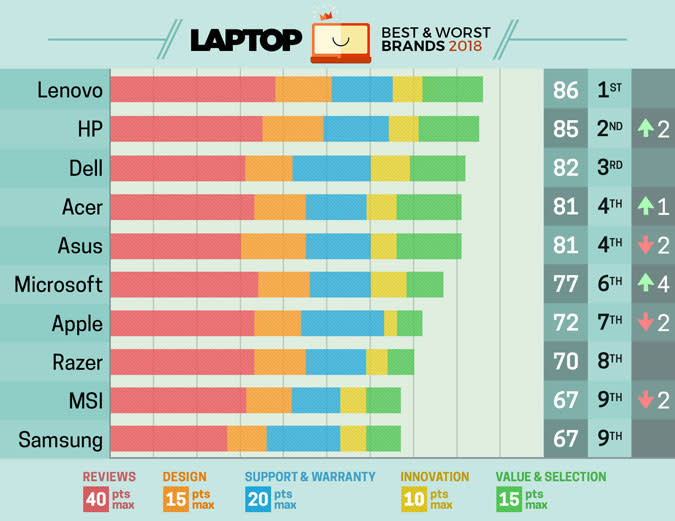
Not all laptop brands fit every user. Below are the common leaders and what they do well.
Apple
- Best for users who want a polished, consistent experience.
- Strong build, long software support, and good resale value.
- macOS is great for creative work and those who prefer a closed ecosystem.
Dell
- Known for wide model range and business-class machines.
- Good warranty options and service for enterprise users.
- XPS line is strong for premium Windows laptops.
Lenovo
- Strong in keyboards and business devices.
- ThinkPad line is trusted by professionals for durability.
- Offers many budget and mid-range options too.
HP
- Balanced options from consumer to business.
- Good warranties and a strong dealer network.
- Spectre and Envy lines compete in the premium space.
Asus
- Good value and innovation, strong gaming and creator models.
- Offers good cooling and custom designs.
- Often competitive on price for specs.
Acer
- Value-focused with many budget choices.
- Good for students and casual users.
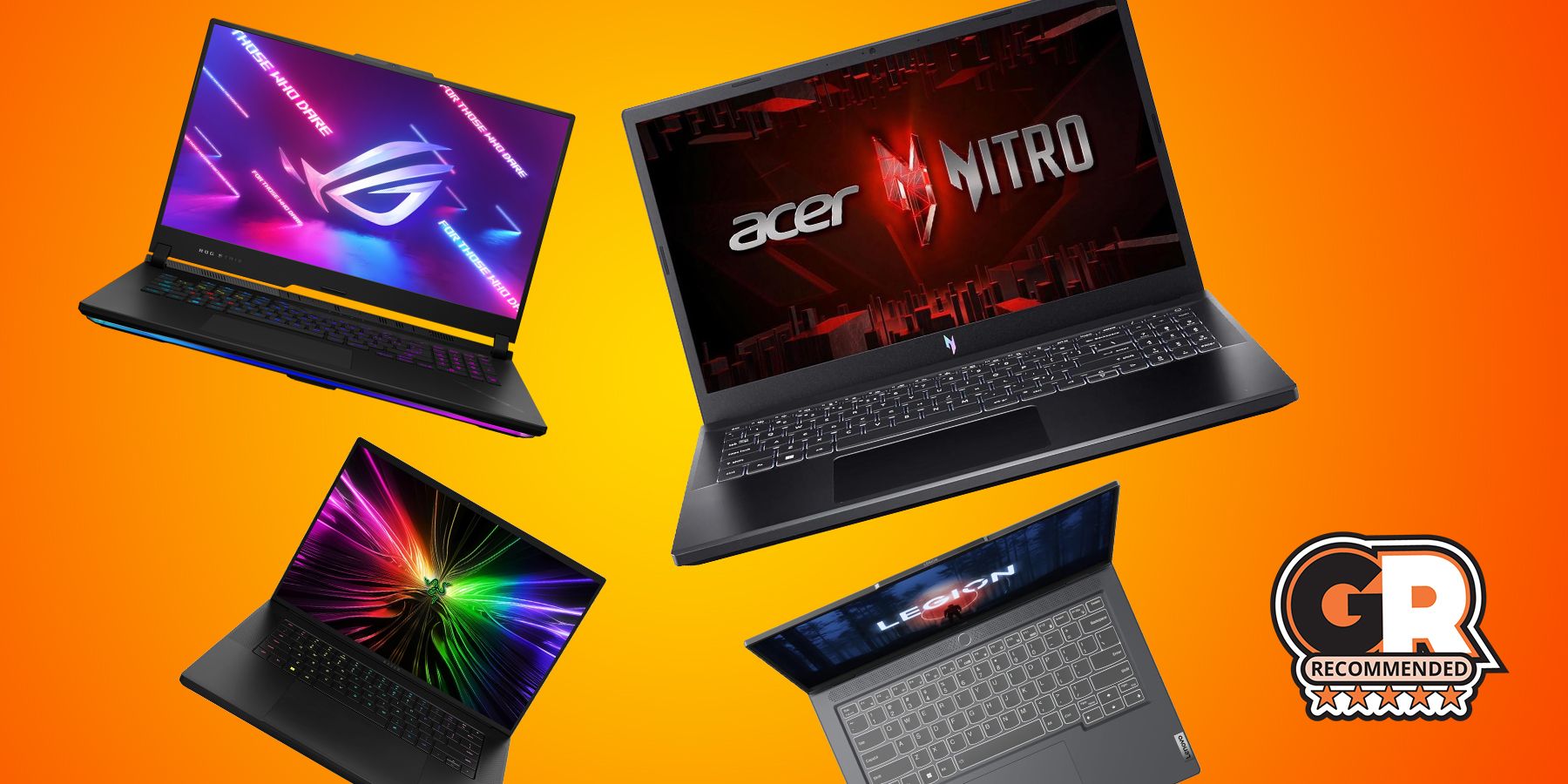
- Nitro and Predator lines target gamers.
Microsoft
- Surface line excels in design and touchscreens.
- Good for users who want a compact, premium Windows tablet-laptop.
Gaming-first brands (Razer, MSI)
- Best for high performance and gaming features.
- Prioritize GPUs, cooling, and fast displays.
- May sacrifice battery life and portability.
When you ask what is a good laptop brand, think about which of these profiles match your use. My experience: match brand strengths to your daily tasks for the best result.
How to decide which brand is right for you
Deciding what is a good laptop brand for you means matching brand strengths to your needs. Start by listing how you use the laptop each day.
Step-by-step decision guide
- Identify main uses. Writing, coding, video editing, or gaming?
- Set a budget. Include warranty and accessories in the total.
- Prioritize features. Battery life, screen quality, or ports?
- Read reviews and user reports. Focus on real-world reliability notes.
- Check service options. See where local repair centers exist.
Real example from my experience
- I once helped a student choose between a budget Lenovo and a mid-range Dell. They needed long battery life and quiet keys for notes. We chose Lenovo for the keyboard and battery, and it lasted three years with no hardware issues.
What is a good laptop brand for you will reflect your daily needs and local support options. Try to test a keyboard and screen before buying.

Performance, durability, and support — balancing the three
A top brand must balance speed, long life, and after-sale help. Very fast machines can be fragile. Very durable ones may lag on performance.
Points to weigh
- Performance matters for editing and gaming. Choose modern CPUs and SSDs.
- Durability matters for travel. Look for MIL-rated builds or reinforced frames.
- Support matters for peace of mind. Quick repairs save time and money.
Personal tip
- I once advised a frequent traveler to pick a business-class model over a gaming laptop. The business laptop had better build and service, and it survived drops and airline handling without issues.
When comparing what is a good laptop brand, weigh these three pillars. The right brand finds a balance for your life.

Price, value, and total cost of ownership
Price is only part of the story when asking what is a good laptop brand. You must consider lifespan, repairs, and resale.
Value factors to consider
- Warranty length and what it covers.
- Upgrade options and ease of repair.
- Historical resale values of the brand.
- Energy efficiency and battery replacement costs.
Example
- A low-cost laptop may need replacement sooner. A higher-cost brand might last twice as long and cost less per year.
Think long term. A mid-range brand with good service can be more economical than the cheapest option.

Sustainability, repairs, and ethical considerations
A modern answer to what is a good laptop brand includes sustainability. Some brands design for repair and use recycled materials.
Look for these signals
- Easy access to spare parts and repair manuals.
- Take-back or recycling programs.
- Public sustainability reports and targets.
I once repaired a laptop because the brand sold parts cheaply. That choice saved a client hundreds and kept a device out of a landfill.

My real-world experiences, mistakes, and tips
I’ve repaired and tested dozens of laptops. I’ve also helped buyers pick models for different goals. Here are honest takeaways.
Lessons learned
- Never buy only on specs. Specs lie if the cooling, battery, and build are poor.
- Test the keyboard and screen. These affect daily comfort more than raw speed.
- Prioritize brands with good local service if you travel a lot.
Mistakes to avoid
- Buying the newest model without real-world reviews.
- Skipping an extended warranty if you are rough on devices.
- Choosing a brand solely for low price.
Practical tips
- Use manufacturer configurators to build to your needs.
- Check third-party reviews for long-term reliability notes.
- Ask friends or local repair shops about brand service experiences.
Common limitations and trade-offs
No brand is perfect. Knowing limitations helps you decide what is a good laptop brand for your case.
Common trade-offs
- Portability vs. power. Thin laptops may throttle under sustained load.
- Price vs. service. Cheap brands often have limited service options.
- Upgradeability vs. design. Sleek designs may glue parts in place.
Be honest about which trade-offs you accept. That clarity makes finding a good brand easier.

Buying checklist: final steps before you buy
Use this short checklist to pick a brand and model confidently.
Buyer's checklist
- Confirm the brand offers a service center nearby.
- Read at least three user reviews focused on long-term use.
- Test keyboard, touchpad, and screen in person if possible.
- Check warranty terms and arrival times for parts.
- Compare total cost of ownership, not just sticker price.
Follow this list and you’ll better answer what is a good laptop brand for your life.
Frequently Asked Questions of what is a good laptop brand
What features define a good laptop brand?
A good laptop brand offers reliable hardware, clear warranty terms, and solid customer support. It also provides consistent driver updates and good resale value.
Is brand more important than specs?
Brand and specs both matter. Specs determine performance. Brand affects reliability, support, and long-term value.
Which brand is best for students?
Brands with budget options and good keyboards work best for students. Look for strong battery life and local support when deciding.
Are premium brands worth the higher price?
Premium brands often offer better build quality, longer software support, and higher resale value. They can be worth the cost if you use the laptop every day for years.
How do I test a laptop in store?
Check the keyboard comfort, screen brightness and color, trackpad responsiveness, and fan noise during light tasks. Also try a web video to test battery life and display.
Conclusion
Choosing what is a good laptop brand comes down to matching brand strengths to your needs. Focus on reliability, support, and real-world use rather than specs alone. Use the checklist, read long-term reviews, and test devices in person when possible. Start with one or two brands that match your priorities, and make a confident choice. Share your needs in the comments or subscribe for more buying guides and hands-on tips.