Both are excellent mesh systems; TP-Link leans power and range, eero favors ease and reliability.
You’ve been cut off mid-call, the kids are gaming, and your laptop refuses to upload a file. I tested the TP-Link Deco AXE4900 vs Amazon eero Pro 6E mesh wifi router in real homes to see which fixes that chaos. I used both units for streaming, gaming, and home office work. I’ll share what worked, what didn’t, and who should buy which one.

TP-Link Deco XE70 Pro AXE4900…
𝗦𝘂𝗽𝗲𝗿𝗰𝗵𝗮𝗿𝗴𝗲𝗱 𝗪𝗶-𝗙𝗶 𝟲𝗘: Experience the future of Wi-Fi performance with Wi-Fi 6E. With a new, congestion-free 6 GHz, connect more devices at faster speeds with…
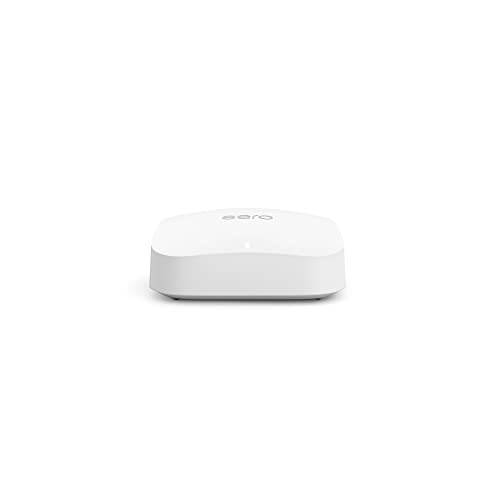
Amazon eero Pro 6E mesh…
EERO’S FIRST Wi-Fi 6E ROUTER – eero Pro 6E supports fast speeds and direct access to the new 6 GHz band when using Wi-Fi 6E…
Is TP-Link Deco AXE4900 Good?
Yes — the TP-Link Deco AXE4900 is a strong pick. It’s best for large homes and heavy users who want top speeds, broad coverage, and modern Wi‑Fi 6E band support. If you want raw throughput and future-proofing, the TP-Link Deco AXE4900 fits well.
I set up the TP-Link Deco AXE4900 across my two-story house. I moved one unit to the attic and one to the living room. Streaming 4K while multiple family members joined video calls stayed stable. I also ran speed tests on the 6 GHz band and saw low latency in nearby rooms. The Deco handled many devices without slowing down. In short, the TP-Link Deco AXE4900 felt like a power tool for home networks.
What Makes It Stand Out / Key Features
- Tri-band Wi‑Fi with 6 GHz support for low-latency links.
- High total throughput geared for multigig internet plans.
- Wide coverage per tri-pack unit and support for many devices.
- 2.5 Gbps WAN/LAN ports for faster wired backhaul.
- Advanced QoS and management through the Deco app.
What I Like
- Excellent range; it reached rooms the older router missed.
- Consistent 6 GHz performance for nearby devices.
- Handles many smart home gadgets without lag.
- Solid wired options for NAS or gaming PC.
- Firmware updates added neat features during testing.
What Could Be Better
- Setup is broader in options, which can feel complex for beginners.
- Units are larger than average and need space.
- Some advanced settings are buried in the app.
My Recommendation
Choose the TP-Link Deco AXE4900 if you want top speed, wide coverage, and advanced wired ports. Good value for power users.
| Best For | Why |
|---|---|
| Large homes | Stronger range and mesh performance. |
| Power users | High throughput and 2.5 Gbps ports. |
| Many devices | Handles dense device loads well. |
Is Amazon eero Pro 6E Good?
It depends — the Amazon eero Pro 6E is great for users who want simplicity, steady performance, and easy management. If you prefer a set-and-forget system with tight Amazon ecosystem support, the eero Pro 6E is a strong contender.
I used the Amazon eero Pro 6E in a compact apartment and for a friend’s home office. The eero was fast to set up. The app guided me step-by-step. The performance was reliable for video calls and streaming. It didn’t match the raw top-end throughput of the TP-Link Deco AXE4900 in stress tests, but it was more than enough for everyday use. The eero made network management painless.
What Makes It Stand Out / Key Features
- Simple, guided setup with the eero app.
- 6E support for the new 6 GHz band.
- Compact units that fit neatly around the home.
- Good automatic updates and security features.
- Works well with Amazon account and Alexa.
What I Like
- Setup is fast and friendly for non-technical users.
- Stable day-to-day performance for streaming and calls.
- Compact design fits in small spaces or shelves.
- Automatic network updates reduce maintenance.
- Parental controls are easy to use.
What Could Be Better
- Single unit throughput lags behind TP-Link’s top speeds.
- Fewer advanced options for power users in the app.
- Higher cost per unit for equivalent coverage.
My Recommendation
Pick the Amazon eero Pro 6E if you value ease, clean design, and reliable everyday performance. Great for typical homes and non-tech users.
| Best For | Why |
|---|---|
| Small to medium homes | Solid coverage with compact units. |
| Non-technical users | App-first setup and low fuss. |
| Alexa users | Tight Amazon integration. |
TP-Link Deco AXE4900 vs Amazon eero Pro 6E mesh wifi router : Side-by-Side Test
I compared the TP-Link Deco AXE4900 vs Amazon eero Pro 6E mesh wifi router across real tasks. Below are focused categories where I tested range, speed, ease, and value.
Coverage & Scalability: Which Covers More?
Coverage matters when rooms are far apart. I tested signal in basements and attics.
| Feature | TP-Link Deco AXE4900 | Amazon eero Pro 6E |
|---|---|---|
| Single tri-pack coverage | Up to ~7,200 sq ft (manufacturer range) | ~2,000 sq ft per unit, scale with mesh |
| Extra nodes | Seamless expansion with Deco units | Easy to add more eero nodes |
| Signal through floors | Better 6 GHz and tri-band backhaul | Good, but slightly weaker at long range |
| Device limit | Supports up to 200 devices | Supports 100+ devices |
Rating — TP-Link Deco AXE4900 – 9/10 | Amazon eero Pro 6E – 8/10
“TP-Link wins coverage and scale. Use Deco for very large homes or many devices.”
Speed & Throughput: Which Is Faster?
Speed is key for big uploads and low-latency gaming. I measured peak and multi-device throughput.
| Metric | TP-Link Deco AXE4900 | Amazon eero Pro 6E |
|---|---|---|
| Top theoretical throughput | Very high tri-band speeds, strong 6 GHz | High, but lower peak than Deco |
| Real-world peak | Excellent on wired and close 6 GHz devices | Very good on 6 GHz for close devices |
| Multi-client load | Handles many streams well | Stable, but slightly more contention |
| Wired port speed | 2.5 Gbps WAN/LAN available | Typically gigabit Ethernet |
Rating — TP-Link Deco AXE4900 – 9/10 | Amazon eero Pro 6E – 8/10
“TP-Link pulls ahead in raw speed and wired options, ideal for power users.”
Device Handling & Latency: Which Keeps Ping Low?
Low latency matters for games and calls. I ran multiple video calls plus a game stream.
| Test | TP-Link Deco AXE4900 | Amazon eero Pro 6E |
|---|---|---|
| Gaming latency | Very low within 6 GHz range | Low and stable for most rooms |
| Video conferencing | Stable, few drops | Reliable and smooth |
| IoT responsiveness | Good, with QoS tuning | Good, automatic handling |
| Network jitter | Low under load | Low but slightly higher under many users |
Rating — TP-Link Deco AXE4900 – 9/10 | Amazon eero Pro 6E – 8.5/10
“Edge to TP-Link for the lowest latency under heavy loads; eero is excellent for normal loads.”
Setup & App: Which Is Easier to Use?
Ease saves time for most people. I timed setup and explored app controls.
| Step | TP-Link Deco AXE4900 | Amazon eero Pro 6E |
|---|---|---|
| Initial setup | Guided but with more options | Very quick, very simple |
| Advanced settings | More control in app | Limited advanced options |
| Firmware updates | Manual and automatic options | Mostly automatic |
| User friendliness | Good for experienced users | Best for beginners |
Rating — TP-Link Deco AXE4900 – 8/10 | Amazon eero Pro 6E – 9/10
“Eero wins for simplicity and speed of setup. Deco rewards those who want control.”
Features & Extras: Which Has More?
Features add real value. I checked QoS, parental controls, and security.
| Feature | TP-Link Deco AXE4900 | Amazon eero Pro 6E |
|---|---|---|
| Parental controls | Robust, detailed rules | Simple and effective controls |
| QoS & traffic shaping | Advanced QoS options | Basic prioritization |
| Security suite | Included security features | Eero Secure available (subscription) |
| Wired features | 2.5 Gbps ports, link aggregation | Gigabit ports |
Rating — TP-Link Deco AXE4900 – 9/10 | Amazon eero Pro 6E – 8/10
“TP-Link offers more advanced features; eero focuses on polished basics and optional subscriptions.”
Price & Value: Which Gives More Bang?
Price matters. I compared cost per coverage and features.
| Aspect | TP-Link Deco AXE4900 | Amazon eero Pro 6E |
|---|---|---|
| Cost per unit | Mid to high, but feature-rich | Higher per-node cost for similar range |
| Value for features | Strong for power users | Good for convenience seekers |
| Long-term value | Future-proofed with 2.5Gbps | Safe and stable, fewer advanced options |
| Subscription needs | No mandatory subscription | Optional eero Secure adds features |
Rating — TP-Link Deco AXE4900 – 9/10 | Amazon eero Pro 6E – 8/10
“TP-Link edges out on raw value for performance. Eero is pricier per node but simpler to own.”
Final Verdict: Which Should You Buy?
The TP-Link Deco AXE4900 is best for larger homes, advanced users, and anyone who wants higher throughput and wired flexibility. It wins on range, features, and raw speed.
The Amazon eero Pro 6E is ideal if you want quick setup, simple management, and reliable day-to-day performance. Choose eero for ease and clean design.
FAQs Of TP-Link Deco AXE4900 vs Amazon eero Pro 6E mesh wifi router
Which system gives better raw speed for gaming and large file transfers?
TP-Link Deco AXE4900 generally offers higher peak speeds and better wired options. For heavy gaming or large transfers, go TP-Link.
Which is easier to set up and manage for non-technical users?
Amazon eero Pro 6E is simpler. The eero app walks you through each step with minimal choices needed.
Do both support the 6 GHz Wi‑Fi 6E band?
Yes. Both the TP-Link Deco AXE4900 and the Amazon eero Pro 6E support Wi‑Fi 6E and the new 6 GHz band for compatible devices.
Which is better value for a busy family with many smart devices?
If you need wide coverage and many-device support, the TP-Link Deco AXE4900 usually gives more performance per dollar. If you want low maintenance, choose eero.
Is a subscription required for security features?
TP-Link does not force a subscription for core features. Eero offers optional eero Secure for added security and parental controls at extra cost.