Radar Review offers a comprehensive assessment of various products and services, providing insights that help consumers make informed decisions. Its detailed evaluations focus on performance, usability, and value for money.
Radar Review stands out in the crowded landscape of product reviews by delivering concise and honest evaluations. Users can expect thorough insights that cover a wide range of categories, from tech gadgets to home appliances. Each review emphasizes key features and real-world applications, making it easier for readers to grasp essential information quickly.
The platform prioritizes clarity and accessibility, ensuring that even complex products are explained in simple terms. With user-friendly navigation, Radar Review helps consumers find the information they need efficiently, promoting smarter purchasing decisions.
Introduction To Radar Technology
Radar technology has changed how we see the world. It uses radio waves to detect objects. This technology plays a key role in various fields. From aviation to weather forecasting, radar is essential.
The Evolution Of Radar
Radar has a rich history that spans several decades. It began in the early 20th century. Here’s a brief timeline:
| Year | Milestone |
|---|---|
| 1904 | First experimental radar by Heinrich Hertz. |
| 1930s | Development of military radar systems. |
| 1940s | Radar used extensively in World War II. |
| 1960s | Commercial radar systems emerge. |
| 2000s | Advanced radar technology for various applications. |
Radar technology has evolved significantly. Early radar used basic principles. Today, it incorporates advanced digital signal processing. This evolution has made radar more accurate and reliable.
Modern Applications
Radar finds uses in many areas today. Here are some key applications:
- Aviation: Ensures safe flight navigation.
- Weather Monitoring: Predicts storms and rainfall.
- Maritime: Aids in ship navigation and safety.
- Automotive: Supports advanced driver-assistance systems.
- Security: Monitors borders and critical infrastructure.
These applications highlight radar’s versatility. It helps save lives and improve safety across different sectors. Understanding radar technology is important for future innovations.
Key Components Of Radar Systems
Radar systems rely on several key components for effective operation. Understanding these components helps in grasping how radar technology works. Below, we explore the essential elements.
Transmitters And Receivers
Transmitters and receivers form the backbone of radar systems. They work together to send and receive signals. Here’s how they function:
- Transmitters: Generate and emit radio waves.
- Receivers: Capture reflected signals from objects.
Transmitters convert electrical energy into radio waves. These waves travel through the air until they hit an object. The waves bounce back and are picked up by receivers. The data collected helps in determining the object’s distance and speed.
Antennas And Signal Processors
Antennas and signal processors are crucial for radar performance. They enhance signal clarity and accuracy.
| Component | Function |
|---|---|
| Antennas | Transmit and receive radar signals effectively. |
| Signal Processors | Filter and analyze received signals. |
Antennas can be directional or omnidirectional. Directional antennas focus on a specific area. This helps in reducing noise from other directions.
Signal processors enhance signal quality. They remove unwanted interference. They also help in extracting valuable information from the data.
The Science Behind Radar Detection
Radar technology relies on scientific principles to detect objects. It uses radio waves to identify distance, speed, and direction of targets. Understanding radar detection involves studying two main concepts: radio wave propagation and echo detection principles.
Radio Wave Propagation
Radio waves travel through the air. They move in straight lines unless affected by obstacles. Key factors influence radio wave propagation:
- Frequency: Higher frequencies offer better resolution.
- Environment: Urban areas can reflect waves differently.
- Weather: Rain or fog can weaken signals.
Each factor impacts how well radar systems detect objects. Understanding these influences helps improve radar technology.
Echo Detection Principles
Echo detection is the heart of radar systems. It involves sending out radio waves and waiting for their return. This process follows these steps:
- Transmit radio waves toward a target.
- Wait for waves to bounce back.
- Measure the time taken for the return.
- Calculate the distance based on the time.
The radar system analyzes the returned signal. It determines the target’s speed and direction. A strong echo indicates a nearby object. A weak echo suggests distance or smaller targets.
| Factor | Impact on Detection |
|---|---|
| Frequency | Higher frequencies improve resolution. |
| Environment | Urban areas can cause reflections. |
| Weather | Rain and fog can weaken signals. |
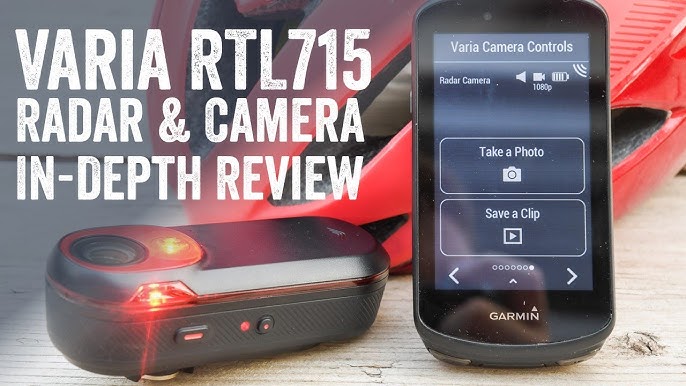
Credit: m.youtube.com
Advancements In Radar Capabilities
Radar technology has evolved rapidly in recent years. Modern systems offer enhanced detection and tracking abilities. These advancements enhance safety and security in various fields. Notably, radar systems now excel in stealth detection and drone tracking.
Stealth Detection
Stealth technology aims to reduce an object’s visibility. Advanced radar systems can now detect stealthy objects effectively. Here are key features:
- Low Probability of Intercept (LPI): Detects stealth aircraft without revealing its position.
- Adaptive Waveforms: Changes signals to improve detection rates.
- Multi-Static Radar: Uses multiple radar sites for enhanced coverage.
These features allow radar to identify stealth objects with increased accuracy. This capability is crucial for military and defense applications.
Drone And Uav Tracking
Unmanned Aerial Vehicles (UAVs) are widely used today. Their small size makes them challenging to detect. Modern radar systems address this issue through:
- High-Frequency Waves: Better detection of small drones.
- Machine Learning: Identifies drone flight patterns.
- Networked Systems: Shares data across multiple radar units.
These advancements improve tracking accuracy. They help prevent unauthorized drone activities. Enhanced radar capabilities ensure a safer airspace.
Integration With Ai And Machine Learning
Radar Review is transforming how we assess threats and maintain systems. Integrating AI and machine learning enhances efficiency and accuracy. It allows for smarter decision-making in real-time. Let’s explore two key areas: Automated Threat Assessment and Predictive Maintenance.
Automated Threat Assessment
Automated threat assessment uses AI to identify risks quickly. Here are some benefits:
- Speed: Detect threats in seconds.
- Accuracy: Reduce false positives significantly.
- Scalability: Handle large data sets effortlessly.
AI algorithms analyze patterns in data. They spot unusual activities that might indicate a threat. This proactive approach saves time and resources.
Predictive Maintenance
Predictive maintenance ensures equipment runs smoothly. AI monitors machine performance continuously. Key advanshoukhintech01-20es include:
- Cost Savings: Fix issues before they escalate.
- Increased Lifespan: Extend equipment life through timely interventions.
- Improved Safety: Prevent accidents by identifying faults early.
Machine learning algorithms analyze historical data. They predict when maintenance is needed. This strategy minimizes downtime and enhances productivity.
Radar In Civilian Sectors
Radar technology plays a vital role in civilian sectors. It enhances safety and efficiency. Applications range from weather monitoring to automotive safety. Let’s explore two key areas: Weather Forecasting and Automotive Safety Features.
Weather Forecasting
Radar is crucial for accurate weather forecasting. It helps predict storms, rain, and other weather events. Here are some benefits:
- Real-time data: Radar provides live updates on weather conditions.
- Storm tracking: It helps in monitoring severe weather systems.
- Data accuracy: Radar improves the precision of forecasts.
Different radar types serve various needs:
| Radar Type | Purpose |
|---|---|
| WSR-88D | Weather surveillance radar |
| Doppler Radar | Measures wind speed and direction |
| Dual-polarization Radar | Improves precipitation identification |
Automotive Safety Features
Radar technology enhances safety in vehicles. It supports advanced driver assistance systems (ADAS). Key features include:
- Adaptive Cruise Control: Maintains safe distances from other vehicles.
- Collision Avoidance: Alerts drivers of potential hazards.
- Blind Spot Detection: Warns drivers of vehicles in blind spots.
These features help reduce accidents and save lives. They make driving safer for everyone.
Challenges And Limitations
The use of radar systems is not without its challenges. Understanding these challenges helps users make informed decisions. Below are key limitations faced by radar technology.
Signal Interference Issues
Radar signals can face various types of interference. This can lead to inaccurate readings. Common sources of interference include:
- Environmental factors like rain and fog
- Electromagnetic interference from devices
- Obstructions such as buildings or trees
Interference can cause:
- False targets to appear
- Loss of signal clarity
- Misinterpretation of data
Addressing these issues requires constant monitoring and adjustment. Users must consider these factors during operation.
Operational Constraints
Radar systems come with specific operational limitations. These constraints may affect performance in certain environments:
| Constraint Type | Description |
|---|---|
| Range Limitations | Radar has a maximum effective range. Beyond this, it loses accuracy. |
| Cost Factors | High-quality radar systems can be expensive to purchase and maintain. |
| Technical Expertise | Operating radar systems requires skilled personnel. |
Understanding these operational constraints is essential. It helps in planning effective radar deployments.

Credit: www.multiamory.com
The Future Of Radar Technology
Radar technology is evolving quickly. New advancements promise exciting possibilities. From enhanced detection to space exploration, the future looks bright.
Quantum Radar
Quantum radar represents a significant leap in technology. It uses the principles of quantum mechanics to improve detection.
- Increased accuracy
- Better target resolution
- Reduced interference
This technology can detect smaller objects. It works better in challenging environments. For example, it can spot stealth aircraft or drones.
Researchers are optimistic about practical applications. Military and civilian uses can benefit greatly.
Space Exploration And Beyond
Radar technology plays a crucial role in space exploration. It helps scientists understand planets and asteroids.
| Application | Description |
|---|---|
| Planet Mapping | Creates detailed maps of planetary surfaces. |
| Collision Detection | Identifies potential hazards in space. |
| Atmospheric Studies | Analyzes the atmospheres of other planets. |
Future missions can use advanced radar. This will enhance our understanding of the universe.
Radar technology will continue to grow. It will open new doors in exploration and science.
Ethical Considerations And Privacy
The rise of technology brings important questions about privacy. As tools like Radar Review gain popularity, users worry about surveillance and data protection. Understanding these concerns helps users make informed decisions.
Surveillance Concerns
Radar Review collects data to improve user experience. However, this data collection raises surveillance issues. Users may feel they are constantly watched. Key concerns include:
- Data Collection: What information is being gathered?
- Data Usage: How is this information used?
- User Consent: Are users aware of data collection?
Transparency is crucial. Companies must inform users about their data practices. This builds trust and reassures users about their privacy.
Regulatory Framework
Regulations protect user privacy. Various laws guide how companies handle data. Important regulations include:
| Regulation | Description |
|---|---|
| GDPR | Protects user data in the European Union. |
| CCPA | Gives California residents rights over their data. |
| HIPAA | Protects health information in the U.S. |
These laws ensure companies respect user privacy. They require clear policies and user consent. Companies must comply to avoid penalties. Understanding these regulations helps users feel safer.

Credit: www.cyclingnews.com
Frequently Asked Questions
Do Radar Detectors Actually Work?
Radar detectors can be effective in detecting police speed radar. They alert drivers to potential speed traps. However, their effectiveness varies based on the model and local laws. Some jurisdictions prohibit their use, so check regulations before relying on one.
Always drive safely and obey speed limits.
Is There Anything Better Than Radar?
Lidar and sonar technologies can offer advanshoukhintech01-20es over radar in specific applications. Lidar provides high-resolution images and precise distance measurements. Sonar excels underwater, detecting objects and mapping sea floors. Each technology has its unique strengths based on the environment and requirements.
Is Radar A Good Brand?
Radar is generally considered a reliable brand, known for quality and performance. Customers appreciate its innovative technology and user-friendly design. Positive reviews highlight its durability and effectiveness. Overall, many users find Radar products to meet their expectations and needs effectively.
What’s The Best Radar To Buy?
The best radar to buy depends on your needs. Popular options include the Garmin GMR series for marine use and the Uniden R3 for automotive. Research features like range, accuracy, and ease of use to find the right match for your requirements.
Always check user reviews for insights.
Conclusion
Radar Review highlights the essential features and benefits of this innovative tool. Users can appreciate its accuracy and reliability. This review aims to guide your decision-making process. Whether for personal or professional use, understanding its capabilities is vital. Explore how Radar can enhance your experience and meet your needs effectively.