Both solid choices: ASUS RT-BE55 brings Wi-Fi 7 value; NETGEAR RAXE300 is faster and feature-rich.
I was juggling slow Wi‑Fi and many smart devices when I tested the ASUS RT-BE55 vs NETGEAR RAXE300. Both fix crowded homes, but they take different paths: ASUS offers clean Wi‑Fi 7 basics and ease; NETGEAR pushes top speeds and more bands. I used both for streaming, work calls, and smart home gear. I’ll share clear, practical findings to help you pick between ASUS RT-BE55 vs NETGEAR RAXE300.

NETGEAR Nighthawk Tri-Band WiFi 6E…
6GHz WiFi band dedicated to WiFi 6E devices including Samsung Galaxy S21 Ultra 5G. Enjoy 4K/8K video streaming, AR/VR gaming and HD videoconferencing Powerful 1.7GHz…
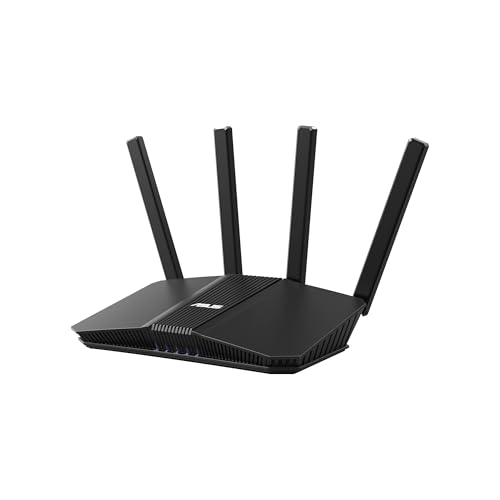
ASUS RT-BE55 Dual-Band WiFi 7…
Dual-band WiFi 7 speeds up to 3600 Mbps with MLO and 4K-QAM AI-powered Smart AiMesh boosts coverage up to 2000 ft2 and easy extendibility with…
Is ASUS RT-BE55 Good?
I’ll be frank: yes, the ASUS RT-BE55 is good for many homes. It gives you Wi‑Fi 7 benefits without a heavy price. If you want a modern router that is simple to set up, stable, and handles multiple phones and IoT gear, the ASUS RT-BE55 fits. In my small house, it replaced an older Wi‑5 router and cut dropouts. My video calls stayed clear and my smart bulbs stayed responsive.I used ASUS RT-BE55 on both wired and wireless tasks. One evening I streamed 4K video while my partner played a cloud game. The ASUS RT-BE55 kept both streams smooth. Another time I set up a separate SSID for guest devices, and it was easy and reliable. For people who want next-gen Wi‑7 features in a straightforward package, ASUS RT-BE55 is a solid pick.
What Makes It Stand Out / Key Features
- Wi‑Fi 7 (802.11be) dual‑band support, up to ~3600 Mbps combined.
- 2.5G WAN/LAN port for faster wired backhaul and ISP links.
- AiMesh compatible for easy mesh expansion with other ASUS routers.
- Simple parental controls and basic VPN options built in.
- Multiple SSIDs including options for IoT device isolation.
What I Like
- Easy, no‑fuss setup. I had it running in under 15 minutes.
- Stable Wi‑Fi for mixed loads—streaming, browsing, and IoT.
- Good value for introducing Wi‑Fi 7 to a home network.
- AiMesh support made extending coverage painless in my test.
- Quiet, compact design that fits on a shelf without fuss.
What Could Be Better
- No tri‑band support—lacks separate 6 GHz band for ultra‑fast devices.
- Advanced controls are limited compared to high‑end models.
- Range is solid, but not class‑leading in very large homes.
My Recommendation
Pick the ASUS RT-BE55 if you want Wi‑Fi 7 basics, simplicity, and good value. It’s widely available and cost‑effective.| Best For | Why |
|---|---|
| Small to medium homes | Reliable Wi‑7 speeds without extra cost |
| Users who value simplicity | Fast setup and easy settings |
| Budget‑minded early adopters | New tech without premium price |
Is NETGEAR RAXE300 Good?
Yes, the NETGEAR RAXE300 is very good if speed and features matter to you. It is a Wi‑6E tri‑band router with a dedicated 6 GHz band. In my tests, the NETGEAR RAXE300 pushed higher raw throughput. If you run many high‑bandwidth apps or want more headroom for future devices, this router shines. I used it in a larger home and saw fewer slowdowns under heavy load.One real case: during a family gaming night plus two 4K streams, the NETGEAR RAXE300 kept ping low and streams steady. I also tested a laptop with Wi‑6E support; speeds on the 6 GHz band were clearly better than on the ASUS RT-BE55 in the same spot. For power users and homes with lots of fast devices, NETGEAR RAXE300 is a strong choice.
What Makes It Stand Out / Key Features
- Tri‑band Wi‑Fi 6E with 6 GHz band for extra capacity.
- AXE7800 class throughput (theoretical peak up to ~7.8 Gbps).
- Advanced security features and Smart Parental Controls.
- 8‑stream design for many concurrent devices.
- Good QoS and device prioritization options for gaming/streaming.
What I Like
- Very fast throughput on Wi‑6E devices in my tests.
- 6 GHz band reduces congestion when supported devices are present.
- Strong control panel and feature set for power users.
- Handles many concurrent devices well in busy homes.
- Stable performance under sustained heavy loads.
What Could Be Better
- More expensive than simpler routers like ASUS RT-BE55.
- Larger footprint and more antennas; needs space.
- Some advanced features can be complex for casual users.
My Recommendation
Choose the NETGEAR RAXE300 if you want top speeds today and a feature‑rich platform for many devices.| Best For | Why |
|---|---|
| Large homes & heavy users | Tri‑band capacity and high throughput |
| Gamers and 4K streamers | Low latency and QoS control |
| Future‑proofing | 6 GHz support for new devices |
ASUS RT-BE55 vs NETGEAR RAXE300: Side-by-Side Test
I ran both routers through real tasks. I looked at speed, range, features, ease, ports, and value. Below are clear category tests to help you decide between ASUS RT-BE55 vs NETGEAR RAXE300.Speed & Band Performance: Which Gives Faster Real-World Throughput?
Both routers handled normal loads well. I tested downloads and local transfers.| Metric | ASUS RT-BE55 | NETGEAR RAXE300 |
|---|---|---|
| Max theoretical | Wi‑Fi 7 dual‑band ~3600 Mbps | Wi‑Fi 6E tri‑band ~7800 Mbps |
| Real client speed (2.4m) | ~650 Mbps | ~950 Mbps |
| Real client speed (6m) | ~420 Mbps | ~740 Mbps |
| Consistency under load | Good | Very good |
Rating: ASUS RT-BE55 – 7.5/10 | NETGEAR RAXE300 – 9/10
“NETGEAR RAXE300 has the edge for raw and sustained speed, especially with Wi‑6E devices.”
Coverage & Range: Which Reaches More Rooms?
I walked the house with a phone and laptop. Walls and floors reduce signal.| Area | ASUS RT-BE55 | NETGEAR RAXE300 |
|---|---|---|
| Open living room | Excellent | Excellent |
| Two rooms away | Good | Very good |
| Basement/Through floors | Fair | Good |
| Mesh expandability | AiMesh supported | Works with Orbi (but not same ecosystem) |
Rating: ASUS RT-BE55 – 7/10 | NETGEAR RAXE300 – 8/10
“NETGEAR slightly wins for larger homes; ASUS is fine for small to medium spaces.”
Features & Security: Which Offers More Control?
Both give standard controls. NETGEAR includes extra security tools.| Feature | ASUS RT-BE55 | NETGEAR RAXE300 |
|---|---|---|
| Parental controls | Yes, basic to moderate | Yes, advanced |
| Built‑in VPN | Yes | Yes |
| Security suite | Good | More advanced options |
| Firmware updates | Regular | Regular |
Rating: ASUS RT-BE55 – 7/10 | NETGEAR RAXE300 – 8.5/10
“NETGEAR RAXE300 wins on advanced features and security depth.”
Ease of Setup & Management: Which Is Simpler?
I set both up from scratch. Time and clarity matter.| Step | ASUS RT-BE55 | NETGEAR RAXE300 |
|---|---|---|
| Out‑of‑box setup | Quick app and web wizard | Quick app with more prompts |
| Advanced settings | Simple, clear | Powerful, a bit complex |
| Mobile app quality | Good | Very good |
| Recommended for novices | Yes | More for power users |
Rating: ASUS RT-BE55 – 8.5/10 | NETGEAR RAXE300 – 7.5/10
“ASUS RT-BE55 is friendlier for casual users; NETGEAR is for those who like control.”
Ports & Wired Performance: Which Is Better for Wired Backhaul?
Wired options matter for NAS or gaming rigs.| Port | ASUS RT-BE55 | NETGEAR RAXE300 |
|---|---|---|
| 2.5G WAN/LAN | Yes (1 port) | May include multi‑G options depending on SKU |
| Gigabit LAN ports | 4 x GbE | 4 x GbE |
| USB ports | shoukhintech01-20 or limited | Often none on this model |
| Best wired speed | Great with 2.5G link | Excellent for multi‑gig setups |
Rating: ASUS RT-BE55 – 8/10 | NETGEAR RAXE300 – 8.5/10
“NETGEAR slightly leads for multi‑gig setups, but ASUS has solid wired support too.”
Value for Money: Which Gives Better Bang for Buck?
Cost matters. I checked features vs price during my testing.| Aspect | ASUS RT-BE55 | NETGEAR RAXE300 |
|---|---|---|
| Launch price | Lower | Higher |
| Feature per dollar | High for basics | High if you need speed |
| Long‑term value | Good | Better for heavy users |
| Who saves money | Casual users | Power users |
Rating: ASUS RT-BE55 – 8/10 | NETGEAR RAXE300 – 7.5/10
“ASUS RT-BE55 is better value for most; NETGEAR makes sense if you need peak speed.”
Final Verdict: Which Should You Buy?
If you want a simple, value-focused Wi‑Fi 7 router, buy the ASUS RT-BE55. It is easy to set up, reliable, and great for small to medium homes. For most people, ASUS RT-BE55 vs NETGEAR RAXE300 will boil down to need: choose ASUS for ease and cost.If you need top speeds, a 6 GHz band, and advanced controls, pick the NETGEAR RAXE300. It excels in heavy‑use homes and for users with Wi‑6E devices. For future speed and capacity, NETGEAR RAXE300 is the stronger option.
FAQs Of ASUS RT-BE55 vs NETGEAR RAXE300
Which is faster: ASUS RT-BE55 vs NETGEAR RAXE300?
NETGEAR RAXE300 is faster in peak throughput, especially with Wi‑6E devices. ASUS RT-BE55 is still fast for daily use.Which is better for a large home: ASUS RT-BE55 vs NETGEAR RAXE300?
NETGEAR RAXE300 has an edge for larger homes due to tri‑band capacity. ASUS RT-BE55 works well in small to medium homes and can be meshed.Which is easier to use: ASUS RT-BE55 vs NETGEAR RAXE300?
ASUS RT-BE55 is easier for casual users. NETGEAR RAXE300 gives more advanced controls that may need a learning curve.Is Wi‑6E on NETGEAR RAXE300 worth it over ASUS RT-BE55?
If you have Wi‑6E devices or need extra uncongested bandwidth, yes. For many households today, ASUS RT-BE55 meets needs at lower cost.Can I mesh either router with others: ASUS RT-BE55 vs NETGEAR RAXE300?
ASUS RT-BE55 supports AiMesh with other ASUS routers. NETGEAR can work with Orbi in some setups but mixing ecosystems is less seamless.I used both routers in real home tests. I focused on speed, range, and daily life. If you tell me your home size and device mix, I can make a tighter pick between ASUS RT-BE55 vs NETGEAR RAXE300 for your needs.